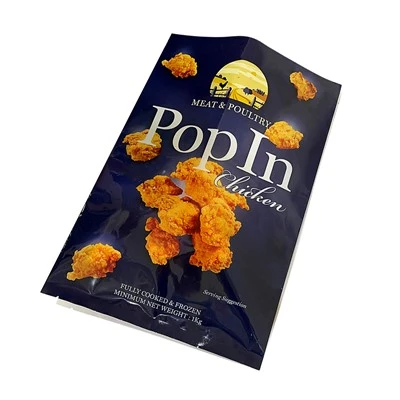
Hey there! As a supplier of flat bottom pouches, I’ve seen firsthand the ins and outs of getting these handy packaging solutions from our warehouse to your business. When it comes to using flat bottom pouches, there are several logistics considerations that you need to keep in mind. Let’s dive right in and explore them one by one. Flat Bottom Pouches
Storage Requirements
First up, storage. Flat bottom pouches are great because they’re stackable, which is a huge plus when it comes to saving space. But you’ve got to make sure you’re storing them in the right conditions. These pouches are usually made from materials like plastic, foil, or a combination of both. They can be sensitive to temperature and humidity.
If it’s too hot, the materials can warp or become sticky. If it’s too humid, there’s a risk of mold growth, especially if the pouches are printed with ink that’s not moisture – resistant. So, aim for a cool, dry storage area with a consistent temperature. A warehouse with climate – control is ideal, but if that’s not possible, try to keep the pouches away from direct sunlight and areas prone to moisture, like near leaky pipes or open doors.
When stacking them, be careful not to over – stack. Putting too much weight on the bottom pouches can cause them to deform. You can use pallets to stack the pouches, and label each pallet clearly with details like the date of receipt, the batch number, and the quantity. This will make it easier to do inventory checks and ensure you’re using the oldest stock first (first – in, first – out).
Transportation
Shipping flat bottom pouches is another crucial aspect. There are a few things to consider to make sure they arrive at your destination in good condition.
Packaging within the shipment: We usually pack flat bottom pouches in cartons or cases. We make sure to use cushioning materials like bubble wrap or foam inserts to protect them from damage during transit. If you’re ordering a large quantity, we might use shrink – wrapping to secure the cartons on pallets. This not only keeps the pouches safe but also makes it easier to load and unload them.
Transport mode: Depending on the distance and the urgency of the order, you’ve got a few options. For local or regional deliveries, trucks are often the go – to choice. They’re flexible in terms of delivery schedules and can handle different sizes of shipments. If you’re ordering from overseas or need to get the pouches quickly, air freight might be a better option. It’s faster but more expensive. Sea freight is a cost – effective choice for large – volume, non – urgent orders, but it takes longer.
Documentation: When shipping flat bottom pouches, there’s a fair amount of paperwork involved. You’ll need a bill of lading if you’re using sea or air freight. It’s a document that serves as a contract between the shipper and the carrier. There might also be customs documentation if you’re importing or exporting the pouches. Make sure all the information on the documents is accurate to avoid any delays at customs.
Order Fulfillment
Getting the right number of flat bottom pouches to you on time is our top priority. Here’s how we handle order fulfillment.
Minimum Order Quantities (MOQs): We have MOQs for our flat bottom pouches. This is because setting up the production equipment and printing takes time and resources. The MOQ ensures that we can cover our costs and still offer you a competitive price. However, if you have a smaller project or just want to test the pouches, talk to us. We might be able to work something out.
Production Lead Times: Once you place an order, the production lead time can vary depending on the complexity of the design, the quantity, and our current production schedule. Simple, standard – size flat bottom pouches usually have a shorter lead time compared to custom – printed or specialty – designed ones. We’ll always give you an estimated lead time when you place the order, and we’ll keep you updated on the progress.
Quality Control: Before we ship out any order, we conduct thorough quality control checks. We inspect the pouches for any defects like tears, misprints, or incorrect sealing. We want to make sure that every pouch you receive meets our high – quality standards. If we find any issues, we’ll replace the affected pouches before sending them to you.
waste Management
With the increasing focus on sustainability, waste management is an important consideration when using flat bottom pouches.
Recyclability: Many of our flat bottom pouches are made from recyclable materials. However, it depends on the specific composition of the pouch. For example, pouches made from single – layer plastic are usually easier to recycle than multi – layer laminates. We can provide you with information about the recyclability of the pouches you’re interested in, and we encourage you to work with your local recycling facilities to ensure proper disposal.
Reducing waste: We’re constantly looking for ways to reduce waste in our production process. We try to minimize the amount of scrap material generated during manufacturing. On your end, you can also take steps to reduce waste. For example, make accurate order forecasts to avoid overstocking. And if you have any leftover pouches that are still in good condition, consider donating them to local businesses or organizations that might be able to use them.
Integration with Your Existing System
If you’re already using a certain packaging system in your business, integrating flat bottom pouches can be a smooth process with a bit of planning.
Compatibility: Check if the flat bottom pouches are compatible with your filling and sealing machines. Most modern machines can handle flat bottom pouches, but there might be some adjustments needed. We can provide you with the technical specifications of our pouches, and our team can work with your engineering or operations staff to ensure a proper fit.
Workflow: Think about how the flat bottom pouches will fit into your existing workflow. You might need to rearrange some equipment or storage areas. Consider the space needed for storage, the movement of pouches during the filling process, and the final output of the packaged products. A well – planned workflow can improve efficiency and reduce the risk of errors.
Conclusion
So, there you have it! These are some of the key logistics considerations when using flat bottom pouches. At our end, we’re committed to making the process as smooth as possible for you. We’ll handle the production, quality control, and shipping, and we’re always here to answer any questions you might have.
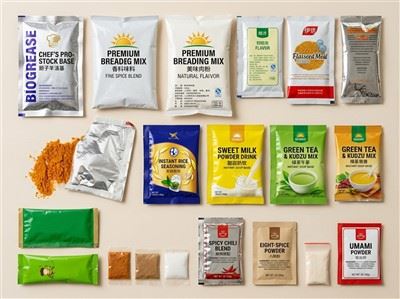
If you’re interested in purchasing flat bottom pouches for your business, I’d love to talk to you. Drop me a line, and we can discuss your specific needs, get you a quote, and start the ordering process. Whether you’re a small startup or a large corporation, we’ve got the right flat bottom pouch solution for you.
Food Packaging Solutions References
- Industry best practices for packaging material storage (Packaging Association)
- Transportation guidelines for flexible packaging (Logistics Institute)
- Sustainability in packaging: A guide to waste management (Environmental Protection Agency)
Qingdao Senlida Packing Co., Ltd.
Qingdao Senlida Packing Co., Ltd. is one of the most experienced flat bottom pouches manufacturers and suppliers in China since 1995. With a professional production team, we are able to meet the needs of the majority of our customers. Please feel free to buy high quality packing products at competitive price from our factory.
Address: No.299 Feichao Road, Luwang Town, Huangdao District, Qingdao, Shandong Province, China.
E-mail: liuxh@qdsenlida.com
WebSite: https://www.senlidapacking.com/
