Alright, let’s talk about something that’s been game-changing for our drilling rigs over the last few years—how we’ve integrated digital control systems into every piece of equipment we ship, and why that’s not just a fancy upgrade, it’s how we keep rigs safe, efficient, and cost-effective for our clients. Drilling Rig
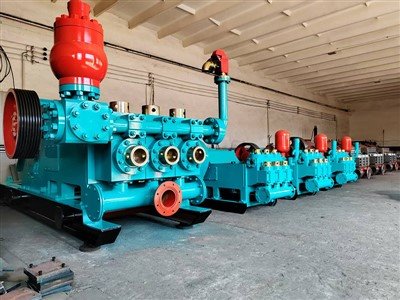
Let’s start with the old days, because anyone who’s been in oil and gas long enough will remember them. Back when I first started in this field (I’m not gonna say how many years ago, let’s just say I’ve seen a lot of changes), drilling rigs were run almost entirely by manual gauges, hand-cranked valves, and teams of guys yelling over the roar of engines to make sure pressure levels didn’t spike too high. If a well was drilling too fast, the driller had to guess based on a needle moving on a dial. If a pump started acting up, it might take an hour to figure out why because no one had real-time data. That’s not just inefficient—it’s dangerous. We’ve all heard horror stories of blowouts or equipment failures because someone missed a small red flag that would’ve been obvious if they had better tools.
Fast forward to today, and every rig we supply is a fully digital operation. But integrating those systems isn’t just slapping a tablet on the driller’s cabin and calling it a day. It’s a whole ecosystem, and we’ve worked through every kink with our clients to make it actually work for them, not just add another layer of tech to maintain. Let’s break down how that integration actually happens, step by step, because if you’re a rig operator, you don’t care about jargon—you care about how this makes your job easier and your bottom line better.
First off, we start with the core hardware: what we call “smart sensors.” Every single critical part of the rig has these—pressure gauges, pump motors, drill bit torque, even the position of the derrick blocks. These aren’t your grandpa’s sensors; they’re tiny, wireless (or hardwired, depending on the rig’s location), and they send data every single second. Before, you’d have to send a crew to check a sensor on the side of a 100-foot derrick every few hours. Now, that data goes straight to a central control hub, no man hours wasted. The big thing here is that these sensors are calibrated specifically for each rig, not just a one-size-fits-all model. If a client is drilling in the Permian, their pressure levels are different than someone drilling in the North Sea, so we tune the sensors to their exact operating parameters right out of the box. That’s one of the things we pride ourselves on—we don’t just sell a rig, we set it up for where it’s gonna work.
Next up is the control system itself. We use a SCADA-based platform, but we don’t call it SCADA in front of clients—we call it our Rig Intelligence Hub (RIH, for short). Here’s how that works: all the sensor data gets piped into the RIH, which processes it and displays it on a big touchscreen in the driller’s cabin, plus a web-based dashboard that the rig’s manager can access from anywhere—like an office in Houston, or even a hotel room when they’re on the road. The driller doesn’t have to stare at 20 different gauges anymore; they get a single screen that shows everything: well depth, drilling speed, fluid pressure, pump temperature, even how much fuel is left. And the best part? The RIH doesn’t just display data—it acts on it. If the drill bit starts getting dull and torque spikes beyond a safe level, the system will send an alert (a pop-up on the screen, a sound, even a text to the manager’s phone) and it can even slow the drilling rate automatically if the driller doesn’t respond right away. That’s not replacing the driller— that’s giving them a second set of eyes that never blinks. We had a client in Oklahoma last year where this system caught a pressure spike 10 minutes before it would’ve caused a blowout. The driller was taking a quick break, the system adjusted, and they avoided a disaster. That’s when you know this tech is worth the investment.
But integration doesn’t stop at the rig itself. We also link the RIH to our own support team back at our service centers. So if a rig in the Gulf of Mexico is throwing a weird error code, our techs don’t have to wait for the operator to describe the problem over the phone—they can log into the RIH remotely, pull up the exact sensor data from that moment, and troubleshoot in real time. A few months ago, we had a rig in Colombia with a pump that was running a little rough. Our team back in Texas saw the vibration data from the sensor, realized it was a small misalignment in the coupling, and walked the client’s crew through fixing it before it turned into a $50,000 repair. That’s the beauty of full integration—it’s not just about the rig, it’s about the whole lifecycle of the equipment.
Another big part of this is automation of repetitive tasks. Before, drilling crews would spend hours every day adjusting flow rates, calibrating pressure, and making sure the drill string was aligned. Now, the digital control system can do those tasks automatically, based on the well’s pre-programmed parameters. That means less human error, less fatigue, and crews can focus on the stuff that actually needs a person’s attention—like troubleshooting unexpected issues, maintaining equipment, and making sure the well is safe. We’ve had clients report that since switching to our digital-integrated rigs, their drilling time per well has gone down by 15-20%, and safety incidents are down by almost 30%. Those numbers aren’t made up—we track every client’s metrics, and that’s what they’re telling us.
Now, I know what some of you are thinking: “This sounds great, but what about cybersecurity?” I get it—you’re putting all your rig data online, and that’s a big deal. We didn’t cut corners here. Every part of our digital system is end-to-end encrypted, and we do regular security updates, similar to how your phone or laptop gets updates. We also work with each client to set up their own access controls—so only authorized personnel can get into the RIH, and we never have access to their well data unless they give us permission. We’ve had third-party security audits done, and they’ve come back with flying colors. So you don’t have to worry about someone hacking your rig and shutting it down (that’s a nightmare scenario we planned for).
Let’s talk about a real-world example to make this concrete. Last year, we delivered a 1,500-horsepower land rig to a client in the Bakken. They’d been using older, manual rigs for years, so we spent two days training their crew on the RIH and the integrated systems. The first well they drilled with the new rig—they finished it in 12 days, which is 3 days faster than their average time with old equipment. The driller told us, “Before, I was looking at 10 different dials, trying to remember when to adjust the drill rate. Now, I just watch the main screen, and if something’s off, it tells me. I’m not as stressed, and we got the well done faster.” That’s the kind of feedback we live for. It’s not about selling tech for tech’s sake—it’s about making their jobs easier and their business more profitable.
I also want to mention that we don’t just integrate new rigs. We retrofitting older rigs with these digital control systems too. A lot of our clients have fleets of older rigs that they can’t just replace overnight, so we come in, install smart sensors, the RIH, and all the necessary hardware, and turn their old rigs into modern, efficient operations. We did a retrofit for a client in Texas last year where they had a 20-year-old rig that was only running at 60% efficiency. After the retrofit, it was running at 90%, and they saved over $100,000 in operational costs in the first six months. That’s a big win for clients who don’t want to invest in all new equipment but still want to get the benefits of digital tech.
Now, there are some common misconceptions we run into all the time. One is that digital control systems replace the need for skilled drillers. Let’s be clear: you still need experienced people to run these rigs. The tech is a tool, not a replacement. A driller who knows how to read the data, make judgment calls, and troubleshoot when the system throws a curveball is way more valuable with this tech than without it. We actually offer training programs for drillers to teach them how to work with the RIH, not just how to use it. Because at the end of the day, the rig is only as good as the people running it.
Another misconception is that this tech is too expensive for small operators. Yeah, the initial investment is higher than a manual rig, but when you factor in the savings from faster drilling, less downtime, lower labor costs, and fewer safety incidents, it pays for itself in 18-24 months. We’ve worked with small, independent operators who couldn’t afford new gear a few years ago, and now they’re upgrading because the numbers add up. We also offer flexible financing options tailored to different client needs, so it’s not a one-size-fits-all price tag.
Looking ahead, we’re already working on the next phase of integration—adding AI to the RIH. Right now, the system alerts you when something’s wrong, but soon it’ll be able to predict when something’s going to go wrong, based on patterns in the data. Like, if a pump’s vibration starts increasing at a certain rate, the AI can tell you it’ll need a maintenance check in 2 weeks, not just that it’s wrong today. That’s the next step, and we’re testing it with a few clients right now. The feedback so far is that it’s cutting unplanned downtime even more.
At the end of the day, integrating digital control systems into drilling rigs isn’t just a trend—it’s the future of the industry. Clients don’t just want a rig that drills a well; they want a rig that’s safe, efficient, and gives them real data to make better decisions. That’s exactly what we build.
If you’re a rig operator looking to upgrade your current fleet or invest in a new rig, we’d love to talk. We don’t push one-size-fits-all solutions—we work with you to figure out what your specific needs are, whether that’s a new rig fully integrated with our RIH, a retrofit for your existing equipment, or training for your crew. We’ve been in this game long enough to know that every well is different, and every client’s needs are different, so we don’t do generic sales pitches. We listen, we tailor, and we deliver rigs that actually work for your operation.

So if you’re tired of manual gauges, unplanned downtime, and safety scares, reach out to us. Let’s chat about how we can integrate our digital control systems into your drilling rigs to make your business better.
Water Well Drill Pipe References
- Society of Petroleum Engineers. (2022). Digital Transformation in Drilling Operations: A Global Analysis. SPE Drilling & Completion Journal, 37(2), 189-203.
- International Association of Oil & Gas Producers. (2021). Cybersecurity for Digital Drilling Systems: Best Practices Report. IOGP Report No. 625.
- Baker Hughes. (2023). Rig Intelligence Hub: Case Studies in Operational Efficiency. Baker Hughes Technical Bulletin.
- U.S. Energy Information Administration. (2022). Efficiency Gains in Onshore Drilling: The Role of Digital Automation. EIA Drilling Productivity Report.
Hebei Zhongxin Machinery Equipment Co., Ltd.
As one of the most experienced drilling rig manufacturers in China, we also support customized service. We warmly welcome you to buy high quality drilling rig for sale here from our factory. If you have any enquiry about pricelist, please feel free to email us.
Address: Wangxizhang Industrial Zone, Zhao County, Shijiazhuang City, Hebei Province, China
E-mail: zxnjbzg@163.com
WebSite: https://www.hbzxdrilling.com/
