Hey there, let’s cut to the chase because if you’re reading this, chances are your brakes (or a part of ’em) have been acting squirrely—specifically, your brake wheel cylinder, the little workhorse that does most of the heavy lifting for drum brakes. As a wheel cylinder supplier, I’ve spent way too many years troubleshooting these bad boys with mechanics, fleet managers, and even regular drivers who didn’t catch a problem until it was too late. The worst part? Most of the warning signs are subtle—easy to brush off as “normal wear” or “something I’ll fix later” until your brakes start feeling spongy or you spot brake fluid leaking all over your driveway. Brake Wheel Cylinder

First up, let’s get one thing straight: wheel cylinders are only on drum brake systems, right? If you’ve got discs up front and drums in the back (super common on older cars, SUVs, and some budget fleet vehicles), those rear drums run on two small cylinders per wheel—one for the leading shoe, one for the trailing shoe. They push the shoes out against the drum every time you hit the brake pedal, and if one starts going bad, it’s not like a check engine light popping up on your dash. Most of the “warning lights” are hands-on, but there are a few that’ll show up in plain sight if you know what to look for. I can’t tell you how many times a customer’s called me panicking because they thought their master cylinder was toast, only to show me leaking wheel cylinders under the rear wheels—we see it daily.
Let’s start with the most obvious one that gets missed: brake fluid leaks. Wheel cylinders have rubber seals inside that degrade over time, especially if you drive in salted roads (winter folks, I’m looking at you) or dirt and grime that works its way into the wheel area. When those seals go, fluid seeps out—either past the piston onto the backing plate or down inside the drum. You’ll spot this two ways: first, a dark, oily residue on the inside of your rear wheel, or second, brake fluid puddling on the ground right behind the rear wheels (it’ll be clear or amber, not the dark black of engine oil). A lot of new drivers mix this up with power steering fluid, but trust me, if it’s under the rear and sticky, it’s probably brake fluid. Leaks here are a big deal—lose enough fluid, and your brakes will have no pressure at all. I’ve seen a delivery van go from fine brakes to total brake failure in a week because a wheel cylinder seal blew and they didn’t check.
Next, that spongy or soft brake pedal feel. If you press the pedal and it sinks like it’s hitting a marshmallow instead of firming up, that’s usually air in the brake line… but if it’s only happening in the rear? Bingo, that’s wheel cylinder trouble. Here’s why: if one of the cylinders is failing, it’s not pushing the shoe evenly, so the fluid has to compensate for that uneven pressure, which causes the pedal to give more travel before it grabs. I had a guy bring in his truck last month saying his brake pedal felt “mushy” only when he stopped from 40+ mph—we pulled the rear drums and saw one piston was stuck, so the other was doing all the work. A quick cylinder replacement and he was good to go. Don’t wait for this to get worse; spongy brakes mean your stopping power is inconsistent, which is basically playing Russian roulette.
Then there’s uneven brake wear on the rear. If your front brake pads look fine but your rear shoes are wearing down way faster on one side than the other, that’s a dead giveaway for a bad wheel cylinder. Remember, each wheel has two cylinders—if one on the left isn’t pushing its shoe out as far as the right, that shoe won’t contact the drum as hard, so the other shoe on that wheel is doing extra work. You might also hear a grinding or scraping noise when you brake, especially at low speeds, because the uneven shoes are dragging on the drum even when you’re not pressing the pedal. I’ve had fleet clients track this exact issue across 10 vans in their lot—each had one bad wheel cylinder on the rear passenger side, and we swapped all of ’em in a single afternoon, saved them a ton on premature shoe replacements.
Another one that’s super common but easy to ignore: your rear wheels locking up when you brake. If you press the brakes and the rear end skids instead of grips, that’s often because a faulty wheel cylinder is applying way more pressure to one shoe than the other, causing uneven braking. On cars with anti-lock brake systems (ABS), this might even trigger a weird ABS light on your dash that doesn’t make sense at first glance—because the system detects uneven wheel speed during braking and thinks there’s a sensor issue, but it’s actually a bad cylinder. I once helped a mechanic diagnose an ABS light on a family sedan for an hour, only to pop the rear drum and find a seized wheel cylinder that was making the right rear wheel lock up every stop. The light went away once we replaced it, no extra parts needed.
Wait, let’s not forget about drum “fade” when you’re driving downhill or hauling heavy stuff. If you’re going down a steep road and your rear brakes stop working like they should, that’s usually wheel cylinders that are leaking fluid or not applying enough pressure. Drum brake fade happens when the shoes get too hot, but a bad cylinder will make it way worse because there’s not enough pressure to keep the shoes pressed against the drum. This is a huge safety issue for anyone who tows trailers or drives a work vehicle—you don’t want your brakes giving out halfway down a mountain pass.
Here’s a pro tip from the shop floor: if you’re opening your rear drums to replace shoes (which you should do every 30k-50k miles, by the way), always inspect the wheel cylinders first. Most people skip this, assuming the cylinders are fine as long as there’s no leak, but even if there’s no fluid coming out, the pistons can seize up or get corroded inside, which causes all those weird brake issues. As a supplier, I tell my customers this all the time—don’t just fix the symptom, fix the root part. We’ve got a ton of customers who come back a second time because they replaced shoes but skipped cylinders, and the problem came back within 6 months.
I know changing a wheel cylinder sounds like a hassle, but it’s way cheaper than replacing brake lines, shoes, or worse—getting into an accident. And let’s be real, most of these issues are preventable if you catch the warning signs early. The best part? None of these require a fancy scanner or a mechanic with 20 years of experience—you can do a quick check every month. Go pop the rear wheels off, wipe down the inside of the drums, look for fluid residue, push the brake pedal a few times and watch if the pistons move evenly, and listen for any weird noises when you press the pedal.
If you’re noticing any of these—fluid leaks under the rear, a spongy pedal, uneven brake wear, rear wheels locking, or that weird fade when braking heavy—don’t wait until it’s an emergency. Wheel cylinder issues don’t just go away on their own; they get worse, fast. As a brake wheel cylinder supplier, we’ve got you covered with high-quality, durable cylinders that fit all makes and models, at prices that won’t break the bank. We work with individual mechanics, fleet managers, auto shops, and even DIY folks who know their way around a socket set. Whether you need one replacement cylinder or a bulk order for your fleet, we’re here to help you get your brakes back to working right.
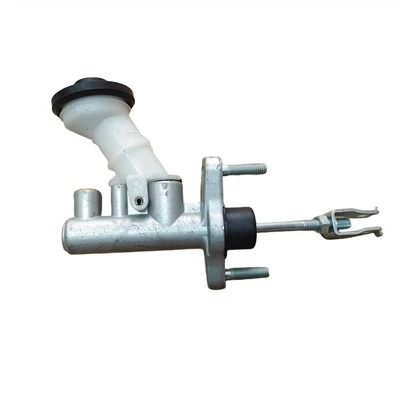
So don’t gamble with your safety—reach out to talk about your brake wheel cylinder needs, we’ll hook you up with the right parts and even answer any questions you have about installation or maintenance. Stop putting off that repair, and get your brakes checked today.
Clutch Slave Cylinder References:
- Brake Industry Association. (2022). Drum Brake Wheel Cylinder Diagnostics and Maintenance Guidelines.
- National Highway Traffic Safety Administration (NHTSA). (2021). Vehicle Brake System Safety Standards for Drum Brake Components.
- Automotive Service Excellence (ASE). (2020). Brakes Certification Study Guide: Wheel Cylinder Failure Warning Signs.
Ruian Xinyao Automobile Parts Co., Ltd.
With abundant experience, we are one of the most professional brake wheel cylinder manufacturers and suppliers in China. We warmly welcome you to wholesale bulk advanced brake wheel cylinder from our factory. If you have any enquiry about cooperation, please feel free to email us.
Address: Xialin Industrial Zone, Tangxia Town, Ruian City,Wenzhou City,Zhejiang Province,China
E-mail: 18969725686@163.com
WebSite: https://www.raxinyao.com/
