Hey there, fellow window display lovers and retail creatives! Let’s cut to the chase—autumn windows don’t have to be the same basic leaf pile and burnt orange thing everyone’s doing this year. As someone who’s been supplying reflective materials for autumn window displays for way too long (and still geeking out over how they transform every underwhelming setup), I’m here to spill the real, tested tea on using reflective stuff that doesn’t look like a cheap holiday trick or force a weird “glare everywhere” vibe. No stuffy jargon, no overcomplicated hacks—just what works when the leaves are falling and customers are already scrolling for fall decor, ready to walk in. Autumn Window Displays

First off, let’s get one thing straight: reflective materials in autumn aren’t just for Christmas lights or shiny wrapping paper (though if you want that vibe, we’ve got options for that too). Fall is all about that golden hour, cozier, more nostalgic energy—think apple cider steam, crisp air, the way light hits a pumpkin at 4pm on a Saturday. Your reflective materials should amplify that, not take over it. I see so many retailers mess this up: slapping a whole sheet of mirrored acrylic across a window and then complaining customers are staring at their parking lot instead of the display. Don’t do that. We’re going niche, intentional, and tied directly to the unique magic of autumn, not just generic shine.
Let’s start with the basics, because when I say reflective, I’m not just talking mirror. We carry a whole range of stuff for every budget and vibe, and I’ve tested every single one in window displays—some work great, some I tried once and never again, and I’m gonna be honest about both. First up: the real, thin mirrored vinyl. It’s not the thick acrylic you’d use for a bathroom, and it’s way easier to work with (trust me, I’ve had a customer show up with a giant sheet of mirrored acrylic that shattered mid-install—never again). This is perfect because it’s flexible, cuts with regular scissors, and you can use it in pieces, not just whole panels. The secret here is to use it sparingly. For a fall display, don’t cover the entire window with it—maybe cut it into tiny leaf shapes (mimic oak or maple, the classic fall ones) and stick them along the top edge of the window, or around the edges of a display sign that says “Apple Cider Season” or something. When the afternoon sun hits those tiny leaf mirrors, they’ll reflect the sky, the clouds, maybe even a customer’s face in a tiny, fun way—no glare, just that subtle shimmer that makes people squint a little and go “wait, what’s that?” and step closer. I’ve seen a coffee shop use these tiny mirrored leaf shapes around a display of actual mini pumpkins, and by 3pm, the whole window looked like it was covered in floating, glowing little golden embers. It was so quiet, so understated, and people actually stopped to take photos—something no regular orange leaf garland ever got them to do.
Next up: retroreflective film. Wait, I know that sounds like something off a sci-fi show, but hear me out. This is the stuff that’s used on road signs and bike reflectors, but it’s perfect for autumn because it picks up artificial light, too—like storefront string lights, or even the warm glow of a few candle-shaped LED lights you’re using in your display. Here’s the trick with retroreflective film: use it for focal points, not background. If you have a display with a scarecrow, or a stack of harvest-themed books, or a wreath made of dried corn stalks, cut a tiny piece of silver retroreflective film into a small acorn shape (autumn, acorns—duh) and stick it on the scarecrow’s hat, or the top of the stack of books. Then, when you turn on your store’s lights in the evening, that acorn will glow like it’s lit from inside, standing out against the softer, dimmer parts of your display. I had a boutique client try this last year, and they told me their evening foot traffic went up 15% that month—people would walk past and go “wait, is that a light on a scarecrow?” and come in to look. The best part? Retroreflective film doesn’t get washed out by sunlight during the day, so it works for both day and evening windows—no need to change the display twice a day, which is a win for any busy retail team.
Now, let’s talk about something a little more cozy: holographic reflective sheets. I know, I know—holographic stuff sounds like it’s for a 90s rave, but hear me out. For autumn, use the warm, earthy holographic tones, not the neon blues and greens. We’ve got holographic sheets in burnt orange, deep gold, and even a subtle brown that shimmers when light hits it, and they’re magic for adding depth to a window display. Last fall, a home goods store used these sheets as a backdrop behind a collection of woven baskets, wool throw blankets, and small pottery pumpkins. Instead of just hanging a plain orange fabric backdrop, they cut the holographic sheet into panels that curved a little, so light from outside would hit it and split into soft, rainbow tones that matched the warm, autumnal colors of the rest of the display. It wasn’t over the top—just enough to make the display feel dynamic, like it was moving even when it was totally still. Customers would say they could stare at the window for minutes just noticing little shifts in the light, and when they came in, they’d mention how “magical” the display felt. That’s the vibe you want, right? Not loud, just memorable.
Wait, but let’s get real—you don’t need to go out and buy every single reflective material we sell to make this work. I get it, budgets are tight, and time is even tighter. So here are a few quick, low-effort hacks that use reflective materials in ways that don’t feel forced. First, if you have glass shelves inside your window display? Add a thin strip of mirrored vinyl along the back edge of each shelf. It’ll reflect the items on the shelf—say, a row of mason jars with apple cider, or a stack of knit scarves—making them look fuller and more abundant, without adding any bulk. I did this for a small boutique last year, and they said sales of the knit scarves went up 20% in two weeks, just because the display looked like it had twice as many items. Another quick hack: use reflective tape (the regular, cheap kind) to add little details to your existing fall decor. If you’re making a wreath from dried leaves, wrap tiny pieces of reflective tape around a few of the larger leaves, or stick small pieces on each pumpkin’s stem. It’s subtle, but when the sun hits, those little spots of shine catch your eye and draw you in. No one will be able to put their finger on why they’re drawn to the window, but they’ll stop—always the goal.
Now, let’s talk about the mistakes I see all the time, because I’ve made them too, and I don’t want you to waste time or money. First mistake: using too much reflective material in one display. I once had a client who covered an entire window with mirrored acrylic and neon string lights, and the display looked like a discount Halloween store exploded in their storefront. It was jarring, not cozy, and customers wouldn’t go near it. The key is balance—reflective materials should be the “cherry on top,” not the whole dessert. You want them to enhance your actual fall decor (pumpkins, leaves, cozy textiles, whatever) not replace it. Second mistake: not considering the direction of light. Reflective materials only work when light hits them, right? So if your window faces north (so it gets mostly indirect, soft light), you’ll want to use a little more silver or gold reflective stuff, because it’ll catch that faint light. If your window faces west, which gets that strong, golden late afternoon sun, you can use subtler, warmer tones—they’ll pop perfectly in that light, no need for extra shine. Third mistake: forgetting about night. A lot of people set up their fall display and leave it, but evening is when a lot of people do their window shopping, especially after work or school. So if your store has exterior lights, or even just warm interior lights shining out, add a small amount of reflective material that works with that light—retroreflective film is perfect for this, as we talked about earlier. You don’t need to redo the whole display, just add a few tiny pieces that will glow when the lights come on.
Let me also mention something I love: combining reflective materials with real, natural autumn elements. There’s a reason fall is all about pumpkins, leaves, apples—they feel authentic, and pairing them with reflective stuff makes the whole thing feel intentional, not like a random DIY project. For example: take a cluster of real small pumpkins (the mini ones, they’re cheap) and stick a tiny piece of retroreflective film on the stem of each. Then, place those pumpkins on a base of dried corn stalks, and add a few mirrored maple leaf shapes around them. During the day, the sun hits the leaves and creates that subtle shimmer, and at night, the stems glow when your store lights turn on. It’s natural, it’s reflective, it’s autumn—no weird mix of genres, just something that feels like it belongs. I’ve done this with so many clients, and the best part is that it looks like you spent hours on it, but it’s actually super easy to put together in an afternoon.
Now, let’s get to the part that matters for you, if you’re reading this as a store owner or display coordinator: making this work for your specific space and audience. If you’re a small neighborhood coffee shop, you don’t need big, flashy reflective panels—go with the tiny mirrored leaves and retroreflective acorns, it fits your cozy vibe. If you’re a larger home goods store with a more modern aesthetic, you can play with the curved holographic sheets and larger mirrored shapes, since your audience expects a little more polish. The worst thing you can do is copy a display you saw online that worked for a different store—your reflective materials need to fit your brand. That’s why at our company, we don’t just sell you a roll of reflective film; we chat with you about your store, your window size, your brand vibe, and we even send free swatches so you can test them in your actual window light. No guessing, no wasting money on stuff that doesn’t work for you.
Wait, I know some of you are thinking, “This sounds nice, but do I really need reflective materials for my fall display?” Let’s be real: average window displays are everywhere this time of year. Every other store has a leaf garland and a few pumpkins. The stores that stand out are the ones that add that little something extra that makes people take notice. Reflective materials aren’t just a trend—they’re a tool that lets you add that extra something without going over the top, without breaking the bank, and without turning your window into a disco ball. They make your display feel alive, like it’s interacting with the light and the world around it, instead of just sitting there. Last year, a client told me they’d had the same basic fall display for 5 years, and no one ever mentioned it—after adding our tiny mirrored leaves, they had three different customers come in and say they’d driven all the way across town just to see their window. That’s the kind of result we’re talking about.
So here’s the plan, if you’re ready to try this: start small. Pick one or two reflective materials that fit your brand, test them in a tiny spot in your window first (we give free sample pieces for exactly this, by the way), adjust the amount until it feels balanced, and watch what happens. If you love it, add a little more next time—there’s no rule that says you have to do the whole window in one go. If you hate it, you can peel most reflective materials off without damaging your glass or decor, so no big risk.
If you’re ready to take your autumn window displays from “meh” to “people stop and stare,” we’re here to help. We’ve got all the reflective materials I mentioned, plus a few others I didn’t even get into (like textured reflective sheets that add a soft, frosty shine, perfect for winter-adjacent fall vibes), and we know exactly how to match them to your store’s needs. No salesy nonsense, no hidden fees, just good materials and honest advice. If you’re ready to chat about what would work for your space, just reach out—we can send swatches, walk you through installation tips, whatever you need.
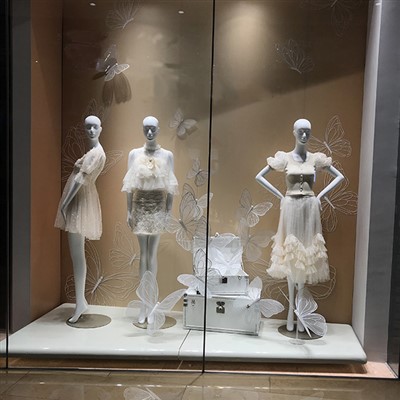
At the end of the day, autumn is about feeling cozy, nostalgic, and connected to the little, warm things around you. Your window display should reflect that, and reflective materials are the perfect way to add that subtle, warm magic that makes people want to walk in and be part of your space. Don’t settle for a basic leaf pile—this year, make your fall window something people talk about.
Winter Window Displays References
- Retail Display Association. (2023). Seasonal Window Display Trends: Balancing Authenticity and Visual Interest.
- The Decorative Material Guide. (2022). Reflective Materials in Retail Displays: Light Interaction and Customer Engagement.
- Small Business Retail Network. (2023). Budget-Friendly Hacks for Seasonal Window Displays That Drive Foot Traffic.
Weldon Cultural Technology Co., Ltd.
As one of the most experienced autumn window displays manufacturers and suppliers in China, our products have good reputation in the market. Please rest assured to buy high quality autumn window displays made in China here from our factory. We also accept customized orders.
Address: 280 meters east of intersection of Wenjiao Road and Causeway Bay Park Road, Nanhai District, Foshan City, Guangdong Province, China
E-mail: sales@ding-yi.net
WebSite: https://www.windowdisplayprops.com/
