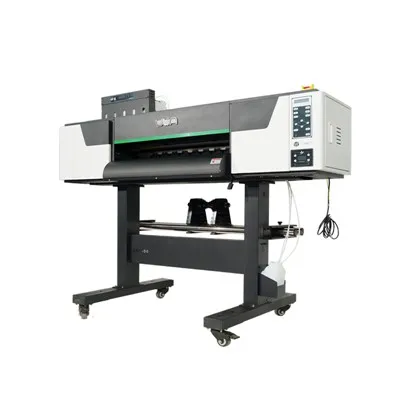
DTF (Direct to Film) printing technology has revolutionized the textile printing industry, offering a flexible and efficient way to print high – quality designs on various fabrics, including fleece. As a DTF printer supplier, I understand that adjusting the right parameters for printing on fleece is crucial to achieve optimal results. In this blog, I’ll guide you through the process of parameter adjustment for DTF printing on fleece, sharing my insights based on years of experience in the field. DTF Printer
Understanding the Characteristics of Fleece
Before adjusting the parameters, it’s essential to understand the unique properties of fleece. Fleece is a soft, fuzzy fabric with a high loft, which means it has a lot of air pockets within its structure. This characteristic can affect ink absorption and adhesion during the DTF printing process. The fabric’s stretchability also needs to be considered as it may cause misalignment or distortion of the print if not accounted for properly.
Printer Settings
Resolution
The resolution of the print is one of the most important parameters. For fleece, a resolution of 1440 x 1440 dpi is typically recommended. A higher resolution will result in a sharper and more detailed print, but it also increases the printing time. Since fleece has a slightly rough surface, a high – resolution print can better capture fine details and vivid colors.
On the other hand, if you choose a too – low resolution, the print may appear pixelated, especially for small text or intricate designs. When setting the printer to the desired resolution, make sure to select the appropriate option in the printer driver settings.
Print Speed
Print speed is another critical factor. With fleece, it’s advisable to choose a slower print speed compared to printing on smoother fabrics. A slower speed allows the ink to be deposited more evenly on the fabric’s surface and reduces the chances of smudging. Usually, a speed setting of around 20% – 30% of the printer’s maximum speed is a good starting point.
You can start with this setting and then test print a small sample. If the print looks good and there are no issues with ink flow or smudging, you can gradually increase the speed to find the optimal balance between speed and print quality.
Ink Density
The density of the ink affects the color intensity and saturation of the print. For fleece, due to its porous nature, you may need to increase the ink density slightly compared to other fabrics. Start by increasing the ink density by around 10% – 15% from the default settings.
Higher ink density helps the ink to penetrate the fleece fibers more effectively, resulting in a more vibrant and long – lasting print. However, be careful not to over – do it, as excessive ink density can lead to longer drying times and may cause the print to look uneven or blotchy.
Film – related Parameters
Film Type
Selecting the right DTF film is crucial for printing on fleece. There are different types of DTF films available in the market, each with its own characteristics. For fleece, a film with good release properties and high ink acceptance is preferred.
Some films are designed specifically for printing on fabrics with a high pile or texture, such as fleece. These films can ensure that the ink is transferred smoothly from the film to the fabric during the transfer process.
Film Tension
Proper film tension is necessary to avoid wrinkles or misalignments during the printing and transfer process. When loading the DTF film into the printer, make sure the tension is adjusted evenly across the film.
If the film tension is too loose, the film may wrinkle during printing, resulting in a distorted print. If it’s too tight, the film may break or cause problems with the printer’s paper feed mechanism. Most printers have adjustable tension settings, and you can use a trial – and – error method to find the right tension for your DTF film.
Transfer Parameters
Temperature
The transfer temperature plays a vital role in ensuring proper adhesion of the ink to the fleece. The ideal transfer temperature for fleece is typically between 130°C – 150°C. This temperature range allows the powder adhesive on the printed film to melt and bond with the fleece fibers effectively.
If the temperature is too low, the adhesive may not melt completely, resulting in poor adhesion and a print that may peel off easily. If the temperature is too high, it can damage the fleece fabric, causing it to shrink or melt in some cases. Use a high – quality heat press with accurate temperature control to achieve the desired transfer temperature.
Pressure
Applying the right pressure during the transfer process is also important. For fleece, a medium – to – high pressure is usually recommended. The pressure helps to ensure that the ink and adhesive are evenly transferred to the fabric.
Most heat presses have adjustable pressure settings. Start with a medium pressure setting and test print a sample. If the print doesn’t seem to adhere well, gradually increase the pressure. However, be careful not to apply too much pressure, as it can flatten the fleece’s texture and affect the overall look and feel of the fabric.
Time
The transfer time is the duration for which the heat and pressure are applied. For fleece, a transfer time of around 10 – 15 seconds is generally sufficient. This time allows the adhesive to melt and bond with the fabric without over – heating the fleece.
If the transfer time is too short, the ink may not bond properly to the fabric. If it’s too long, the fleece may get damaged, and the colors of the print may change due to over – exposure to heat.
Testing and Calibration
After adjusting all the parameters, it’s highly recommended to perform test prints. Print a small sample of your design on the DTF film and then transfer it to a piece of fleece fabric. Examine the print for color accuracy, sharpness, adhesion, and overall quality.
If there are any issues, such as uneven colors, poor adhesion, or blurry prints, go back and adjust the relevant parameters accordingly. You may need to make several adjustments and test prints to find the perfect combination of parameters for your specific DTF printer and the type of fleece you are using.
Conclusion
Adjusting the parameters for printing on fleece with a DTF printer is a process that requires careful consideration and experimentation. By understanding the characteristics of fleece, setting the appropriate printer, film, and transfer parameters, and conducting thorough testing, you can achieve high – quality prints on fleece fabrics.
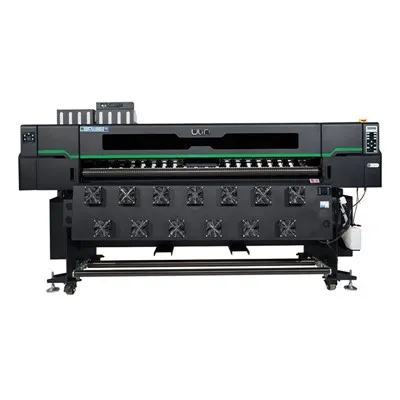
Sublimation Printer As a DTF printer supplier, I’m committed to providing you with the best equipment and support to help you succeed in your printing projects. If you’re interested in purchasing a DTF printer or need more advice on parameter adjustment, feel free to contact me for a discussion. We can work together to find the solutions that best meet your specific needs.
References
- Textile Printing Technology Handbook
- DTF Printing Industry Research Reports
- Manufacturer’s Manuals for DTF Printers and Heat Presses
Hangzhou Yulan Technology Co., Ltd.
Hangzhou Yulan Technology Co., Ltd. is one of the most professional DTF printer manufacturers and suppliers in China. With abundant experience, we warmly welcome you to wholesale the newest DTF printer in stock here from our factory. Good service and quality products are available.
Address: Building, No.128 Rihui Road, Linping District, Hangzhou, China.
E-mail: ulinprint@gmail.com
WebSite: https://www.ulinprinter.com/
