Are there any handrail systems that are child – friendly? Handrail Systems
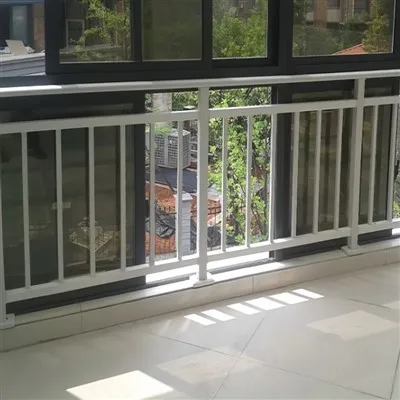
As a supplier of handrail systems, I often get asked this question. In today’s world, where safety is a top priority, especially when it comes to children, the demand for child – friendly handrail systems is on the rise. Let’s delve into this topic and explore the various aspects of child – friendly handrail systems.
Understanding the Need for Child – Friendly Handrails
Children are naturally curious and active. They love to explore their surroundings, and handrails often become a part of their exploration. Whether it’s in a home, a school, a playground, or a public building, handrails can pose risks to children if not designed properly. For instance, small children may get their fingers caught in gaps, or the handrail may be too high or too slippery for them to hold onto.
According to safety standards and research, children have different physical capabilities and needs compared to adults. Their hands are smaller, and their strength is limited. Therefore, a handrail that is suitable for an adult may not be safe or comfortable for a child. This is where child – friendly handrail systems come into play.
Characteristics of Child – Friendly Handrail Systems
1. Appropriate Height
One of the most important features of a child – friendly handrail is its height. The handrail should be at a level that is easily reachable for children. In general, for children aged 3 – 12, a handrail height of around 28 – 32 inches (71 – 81 cm) is considered appropriate. This allows them to hold onto the handrail comfortably while walking up or down stairs or along a ramp.
2. Smooth Surface
A smooth surface is crucial to prevent injuries. Rough or jagged surfaces can cause cuts and abrasions to a child’s delicate skin. The handrail should be made of materials that are smooth to the touch, such as polished wood, smooth metal, or high – quality plastic.
3. No Sharp Edges or Corners
Sharp edges and corners can be extremely dangerous for children. A child – friendly handrail should have rounded edges and corners to minimize the risk of impact injuries. This can be achieved through proper design and manufacturing processes.
4. Adequate Grip
Children need a handrail that they can grip firmly. The handrail should have a texture or shape that provides a good grip. For example, a handrail with a slightly textured surface or a contoured shape can make it easier for children to hold onto.
5. Limited Gap Size
To prevent fingers from getting caught, the gaps between the handrail components should be small. Safety standards typically recommend that the gap size should be less than 2.25 inches (5.7 cm). This ensures that a child’s finger cannot get trapped in the handrail.
Types of Child – Friendly Handrail Systems
1. Residential Handrails
In a home environment, child – friendly handrails are essential, especially on stairs and balconies. Wooden handrails are a popular choice as they can be easily customized to the appropriate height and shape. They also provide a warm and natural look. Metal handrails, such as stainless steel, are another option. They are durable and easy to clean, which is important in a home with children.
2. School Handrails
Schools are filled with children of different ages. Handrails in schools need to be designed to accommodate a wide range of children. Many schools use a combination of handrails at different heights to ensure that both younger and older children can use them safely. Plastic handrails are often used in schools as they are lightweight, affordable, and can be easily installed.
3. Playground Handrails
Playgrounds are places where children are extremely active. Handrails in playgrounds need to be strong and durable to withstand the rough use. They should also be designed to be fun and engaging for children. For example, handrails can be shaped like animals or have colorful designs to attract children. Rubber – coated handrails are a good option for playgrounds as they provide a soft and safe grip.
Materials for Child – Friendly Handrails
1. Wood
Wood is a traditional and popular material for handrails. It is natural, warm, and can be easily shaped and finished. However, it requires regular maintenance to prevent rot and decay. When choosing wood for a child – friendly handrail, it is important to select a high – quality, non – toxic wood.
2. Metal
Metal handrails, such as stainless steel and aluminum, are known for their strength and durability. They are resistant to corrosion and can withstand harsh weather conditions. Metal handrails can be powder – coated to provide a smooth and colorful finish.
3. Plastic
Plastic handrails are lightweight, affordable, and easy to install. They come in a variety of colors and styles. Many plastic handrails are made from recycled materials, which makes them an environmentally friendly option. However, they may not be as strong as wood or metal handrails.
4. Rubber
Rubber handrails are soft and provide a good grip. They are often used in areas where safety is a major concern, such as playgrounds. Rubber handrails can be molded into different shapes and sizes to meet specific requirements.
Installation and Maintenance of Child – Friendly Handrails
Proper installation is crucial for the safety of a handrail. It should be securely attached to the wall or structure to prevent it from coming loose. A professional installer should be hired to ensure that the handrail is installed correctly.
Regular maintenance is also important to keep the handrail in good condition. This includes cleaning the handrail regularly to remove dirt and debris, checking for any signs of damage or wear, and making repairs as needed.
Our Role as a Handrail Systems Supplier
As a handrail systems supplier, we understand the importance of providing child – friendly handrails. We offer a wide range of handrail systems that are designed with children in mind. Our products meet all the safety standards and requirements for child – friendly handrails.
We work closely with our customers to understand their specific needs and provide customized solutions. Whether it’s a residential project, a school, or a playground, we can offer the right handrail system to ensure the safety of children.
If you are in the market for child – friendly handrail systems, we encourage you to contact us for a consultation. Our team of experts can help you choose the best handrail system for your needs and provide you with detailed information on installation and maintenance.

In conclusion, there are definitely handrail systems that are child – friendly. By considering the characteristics, types, materials, installation, and maintenance of these handrail systems, you can ensure the safety of children in various environments. Don’t hesitate to reach out to us if you have any questions or need assistance with your handrail system purchase.
Railing Systems References:
- National Safety Council. "Safety Standards for Handrails in Public and Residential Buildings."
- American Society for Testing and Materials (ASTM). "ASTM F1004 – 19 Standard Specification for Safety – Related Characteristics of Playground Equipment for Public Use."
- Consumer Product Safety Commission (CPSC). "Guidelines for Handrail Safety in Homes and Schools."
Jiangxi Hengmei New Materials Co., Ltd.
We’re well-known as one of the leading handrail systems manufacturers in China, featured by quality products and good service. Please rest assured to buy bulk handrail systems made in China here from our factory. We also accept customized orders.
Address: Wanfu Industrial Park, Wuning County, Jiujiang City, Jiangxi Province
E-mail: 13979274798@163.COM
WebSite: https://www.hengmeiindustry.com/
