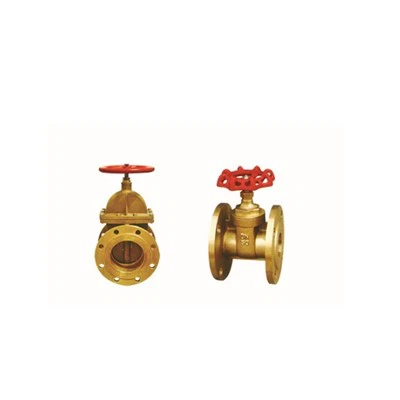
Hey there! I’m a supplier of brass valves, and I’ve been in this game for quite a while. Over the years, I’ve come to realize that there are quite a few factors that can affect the performance of brass valves. In this blog post, I’m gonna talk about these factors based on my hands – on experience in the industry. Brass Valves
Material Quality
Let’s start with the material quality. The brass used to make the valves is super important. Not all brass is created equal. There are different grades of brass, and each has its own set of properties. For instance, some brass alloys have a higher copper content. Copper is a great conductor of heat and electricity, but more than that, it imparts corrosion – resistance to the valve.
If the brass has low – quality impurities, it can lead to some serious problems. These impurities can cause pitting and corrosion over time, especially when the valve is exposed to certain chemicals or high – humidity environments. Think of it as a weakened spot in your car’s armor. These weak spots can grow and eventually lead to leaks in the valve.
I’ve seen cases where customers bought cheaper valves made from low – grade brass, and within a few months, they started to experience issues. The valves would start to seep, and in some extreme cases, they completely failed. That’s why at our end, we only use high – quality brass alloys. We ensure that the material meets strict industry standards for purity and composition. This way, we can guarantee that our valves have better corrosion resistance and a longer lifespan.
Manufacturing Process
The manufacturing process is another huge factor. How a brass valve is made can make or break its performance. There are different methods of manufacturing brass valves, such as casting and forging.
Casting involves pouring molten brass into a mold. It’s a cost – effective way to produce valves in large quantities. But it has its drawbacks. Casting can sometimes lead to porosity in the valve. Porosity means there are tiny holes or voids in the metal. These holes can reduce the valve’s strength and make it more susceptible to leakage.
On the other hand, forging is a process where the brass is heated and then shaped under pressure. Valves made through forging are generally stronger and more durable. The forging process aligns the metal grains in a way that enhances the valve’s mechanical properties. It reduces the chances of porosity and makes the valve better able to withstand high pressures and temperatures.
We use a combination of advanced manufacturing techniques. We’ve invested in state – of the – art machinery that allows us to control the manufacturing process precisely. This helps us produce valves with consistent quality, whether we’re making a small batch or a large order.
Design and Engineering
The design of the brass valve also plays a crucial role in its performance. The valve needs to be designed to fit the specific application it’s intended for. For example, if it’s going to be used in a high – pressure system, the valve needs to have a design that can handle that pressure without failing.
The size of the valve is another important design consideration. If the valve is too small for the flow rate, it can cause a drop in pressure and reduce the efficiency of the system. On the other hand, if it’s too large, it might not close properly, leading to leaks.
We have a team of experienced engineers who work on designing our valves. They take into account all the possible operating conditions, such as pressure, temperature, and flow rate. They also conduct extensive testing to make sure the valve will perform well in real – world situations.
Operating Conditions
The environment in which the brass valve operates can have a major impact on its performance. Temperature is one of the key factors. Extreme temperatures can cause the brass to expand or contract. If the valve is not designed to handle these temperature changes, it can lead to issues like leaks or seizures.
For example, in a very cold environment, the brass can become brittle. This makes it more likely to crack under stress. In a hot environment, the expansion of the brass can cause the valve to jam or the seals to fail.
The type of fluid or gas that the valve is controlling also matters. Some fluids are more corrosive than others. If the valve is exposed to a highly corrosive fluid, it needs to be made from a brass alloy that can resist that corrosion. Otherwise, the valve will start to deteriorate quickly.
We always advise our customers to provide us with detailed information about the operating conditions. This way, we can recommend the right type of valve for their specific needs.
Maintenance and Installation
Proper installation is the first step in ensuring good valve performance. If a valve is not installed correctly, it’s not going to work as it should. For example, if the valve is not tightened properly or if the seals are not installed correctly, it can lead to leaks.
Maintenance is also essential for the long – term performance of brass valves. Regular maintenance can help to detect and fix any potential issues before they become major problems. This can include things like lubricating the moving parts, checking for signs of wear and tear, and replacing any damaged components.
We provide our customers with detailed installation and maintenance instructions. We also offer support to help them with any questions they might have during the installation or maintenance process.
Quality Control
Quality control is something we take very seriously. Before any valve leaves our factory, it goes through a series of rigorous tests. We check the valve for things like pressure – resistance, leakage, and flow rate. We also inspect the valve for any visible defects, such as cracks or scratches.
We use advanced testing equipment to ensure the accuracy of our tests. And we keep detailed records of all the tests we conduct. This way, if there are any issues down the line, we can trace back the valve’s history and find out what went wrong.

In conclusion, there are many factors that can affect the performance of brass valves. As a supplier, we understand the importance of these factors, and we do everything we can to ensure that our valves meet the highest standards of quality and performance.
Oil Level Indicator If you’re in the market for high – quality brass valves, I’d love to talk to you. Whether you need valves for a small DIY project or a large industrial application, we’ve got you covered. Reach out to me, and we can discuss your requirements in detail. Let’s work together to find the perfect brass valves for your needs.
References
- ASME Standards for Valves
- ASTM Specifications for Brass Alloys
- Industry whitepapers on Valve Manufacturing and Performance
Hebei Anmei Electrical Equipment Co., Ltd.
Hebei Anmei Electrical Equipment Co., Ltd. is one of the most professional brass valves manufacturers and suppliers in China, specialized in providing high quality products and service. Please feel free to buy customized brass valves made in China here from our factory. Contact us for quotation.
Address: Hejian Yingzhou Economic Development Zone, Cangzhou City, Hebei Province
E-mail: sales@anmeielec.com
WebSite: https://www.anmeibushing.com/
