Hey there! I’m a supplier of specialized wastewater treatment equipment. Over the years, I’ve had countless conversations with clients about the ins and outs of wastewater treatment, and one question that always comes up is, "What are the operating costs of specialized wastewater treatment equipment?" Well, let’s dive into that topic right now. Specialized Wastewater Treatment Equipment

First off, let’s talk about the initial investment. Obviously, buying the specialized wastewater treatment equipment is a significant upfront cost. The price can vary widely depending on the type of equipment you need. For instance, if you’re dealing with industrial wastewater that has high levels of heavy metals or toxic chemicals, you’re going to need more advanced and hence more expensive equipment compared to equipment for treating domestic wastewater.
There are different types of specialized wastewater treatment equipment, like activated sludge systems, membrane bioreactors (MBRs), and reverse osmosis units. Activated sludge systems are commonly used for secondary treatment of wastewater. They’re relatively economical in terms of initial purchase, but they do require a decent – sized space for installation. MBRs, on the other hand, are more compact and can provide a higher – quality treated water. However, they’re pricier to buy. Reverse osmosis units are great for removing dissolved solids and some contaminants, but they’re also on the expensive side in terms of the initial investment.
Once you’ve got your equipment set up, there are the ongoing costs to consider. Energy is a major factor. Most wastewater treatment equipment requires a lot of power to run. For example, pumps are used to move the wastewater through the treatment process, and aerators are used in activated sludge systems to provide oxygen to the microorganisms that break down the organic matter. These pumps and aerators consume a significant amount of electricity.
The cost of energy can be a real headache. In some regions, electricity rates are quite high, and this can really add up over time. To give you an idea, an industrial – scale membrane bioreactor might consume several kilowatts of power per hour of operation. And if you’re running the equipment 24/7, that’s a lot of energy and a lot of money spent on energy bills.
Another operating cost is the cost of chemicals. Depending on the type of wastewater and the treatment process, you might need to add various chemicals. For example, in a coagulation – flocculation process, you need to add chemicals like alum or ferric chloride to help the suspended particles in the wastewater clump together so they can be more easily removed. In a disinfection step, you might use chlorine or ultraviolet light, and chlorine has an associated cost.
The consumption rate of chemicals depends on the quality of the incoming wastewater. If the wastewater has a high level of contaminants, you’ll need to use more chemicals to treat it effectively. And the price of chemicals can fluctuate based on market conditions. Sometimes, there might be a shortage of a particular chemical, which can drive up the cost.
Then, there’s the cost of maintenance. Just like any other machinery, specialized wastewater treatment equipment needs regular maintenance to keep it running smoothly. This includes things like replacing worn – out parts, cleaning filters, and checking the overall performance of the equipment.
For example, in a reverse osmosis unit, the membranes need to be cleaned and replaced periodically. If the membranes are not properly maintained, their performance will degrade, and the quality of the treated water will suffer. Maintenance also involves having trained technicians on hand. They need to have a good understanding of the equipment to diagnose and fix any problems that might arise. Hiring and training these technicians is an additional cost.
Labor costs are also part of the operating expenses. You need people to operate the equipment, monitor the treatment process, and ensure that everything is working as it should. In a large – scale wastewater treatment plant, there might be a team of operators working in shifts. Their salaries, benefits, and training costs all contribute to the overall operating cost.
Let’s not forget about the cost of waste disposal. After the wastewater is treated, there’s usually some residual waste left over. This could be sludge from an activated sludge system or concentrated waste from a reverse osmosis process. Disposing of this waste in an environmentally – friendly and legal way can be expensive.
In some cases, the sludge might need to be dewatered and then transported to a landfill or a waste – to – energy facility. The cost of dewatering equipment, transportation, and landfill fees can add up quickly. And there are also strict regulations regarding waste disposal, so you need to make sure you’re following all the rules, which might involve additional costs for compliance.
Now, you might be thinking, "This all sounds really expensive. Is it worth it?" Well, the answer depends on your situation. If you’re an industrial facility, treating your wastewater on – site can save you a lot of money in the long run. Discharging untreated wastewater into the environment can result in hefty fines from regulatory authorities. And in some areas, the cost of sending your wastewater to a municipal treatment plant can be quite high, especially if your wastewater has high levels of contaminants.
For municipalities, having their own specialized wastewater treatment equipment is essential for providing clean water to the community. The cost of not treating the wastewater properly can be much higher in terms of public health risks and environmental damage.
If you’re looking to cut down on the operating costs of specialized wastewater treatment equipment, there are some strategies you can try. For example, you can invest in energy – efficient equipment. Many manufacturers are now producing equipment that uses less energy without sacrificing performance. You can also optimize your chemical usage by regularly monitoring the quality of the incoming wastewater and adjusting the chemical dosage accordingly.
In terms of maintenance, having a preventive maintenance schedule can help you avoid costly breakdowns. By regularly inspecting and servicing the equipment, you can catch small problems before they turn into big, expensive ones.
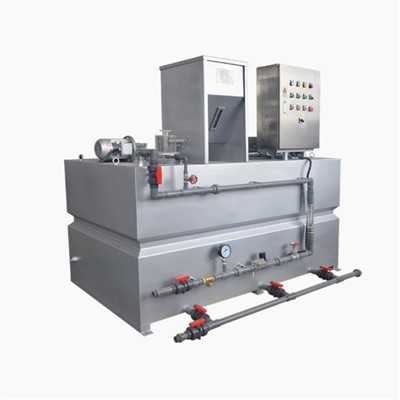
So, there you have it – a breakdown of the operating costs of specialized wastewater treatment equipment. It’s a complex topic, and there’s no one – size – fits – all answer when it comes to how much it will cost to operate this equipment. But if you’re in the market for specialized wastewater treatment equipment, I’m here to help.
Sewage Treatment Plant I’ve been in this business for a long time, and I can work with you to find the right equipment that fits your needs and your budget. Whether you’re a small – scale business or a large municipality, I can provide you with customized solutions. If you’re interested in learning more or discussing a potential purchase, don’t hesitate to reach out. We can have a detailed conversation about your specific situation and figure out the best way forward.
References
- Water Environment Federation. (20XX). Wastewater Treatment Plant Operations Manual.
- American Society of Civil Engineers. (20XX). Guidelines for Design and Operation of Specialized Wastewater Treatment Equipment.
Shandong Lingke Environmental Technology Co., Ltd.
We’re well-known as one of the leading specialized wastewater treatment equipment manufacturers and suppliers in China, featured by quality products and good price. Please rest assured to buy durable specialized wastewater treatment equipment for sale here from our factory. Customized orders are welcome.
Address: 100 Meters South of the Intersection of County Road 042 and National Highway 309, Changle County, Weifang City, Shandong Province
E-mail: aileenlin@sdlingkegroup.com
WebSite: https://www.lkecotech.com/
