Hey there! As a valve balls supplier, I’ve had my fair share of customers asking about the difference between solid and hollow valve balls. So, I thought I’d take a few minutes to break it all down and give you a better idea of what sets them apart. Valve Balls
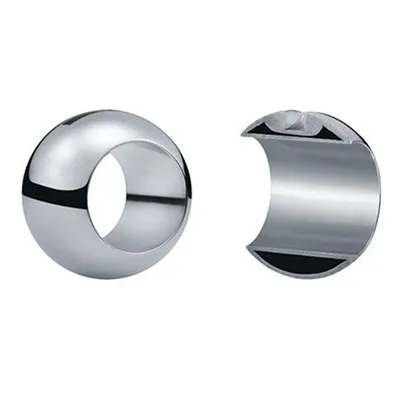
Let’s start with the basics. What is a valve ball? Well, simply put, it’s a spherical component that’s used in valves to control the flow of liquids or gases. The ball has a hole in the middle, and when the valve is opened, the hole aligns with the pipe, allowing the fluid or gas to pass through. When the valve is closed, the ball rotates, blocking the flow.
Now, let’s talk about solid valve balls. These are exactly what they sound like – solid balls made from a single piece of material. Solid valve balls are typically made from metals like stainless steel, brass, or titanium, but they can also be made from plastics or ceramics depending on the application.
One of the biggest advantages of solid valve balls is their durability. Since they’re made from a single piece of material, they’re less likely to break or crack under pressure. This makes them ideal for high-pressure applications where reliability is crucial. For example, in the oil and gas industry, solid valve balls are often used in wellheads and pipelines to control the flow of crude oil and natural gas.
Another advantage of solid valve balls is their wear resistance. The smooth surface of a solid ball reduces friction, which means less wear and tear on the ball and the valve seat. This extends the lifespan of the valve and reduces the need for frequent maintenance or replacement.
In addition to their durability and wear resistance, solid valve balls also offer excellent sealing performance. The round shape of the ball provides a tight seal against the valve seat, preventing leaks and ensuring efficient operation. This is especially important in applications where even a small leak could cause significant problems, such as in chemical processing plants or water treatment facilities.
On the other hand, we have hollow valve balls. These are valve balls that have a hollow center, which makes them lighter than solid balls. Hollow valve balls can be made from the same materials as solid balls, but they’re often used in applications where weight is a concern, such as in aerospace or automotive industries.
One of the main advantages of hollow valve balls is their weight savings. The reduced weight can help to improve the overall efficiency of the valve system by reducing the force required to operate the valve. This can lead to energy savings and lower operating costs.
Another advantage of hollow valve balls is their cost. Since they use less material than solid balls, they’re generally less expensive to manufacture. This can make them an attractive option for applications where cost is a major factor, such as in low-pressure or low-cost valve systems.
However, there are also some drawbacks to using hollow valve balls. One of the main disadvantages is their reduced strength. The hollow center makes the ball less sturdy than a solid ball, which means it may not be suitable for high-pressure applications. In addition, the hollow center can also make the ball more prone to cracking or breaking under certain conditions.
Another potential issue with hollow valve balls is their sealing performance. The hollow center can cause the ball to deform slightly under pressure, which can lead to a less effective seal. This can result in leaks and reduced efficiency, especially in applications where a tight seal is critical.
So, which type of valve ball is right for you? Well, it really depends on your specific application and requirements. If you’re dealing with high-pressure or high-stress applications, then a solid valve ball is probably the way to go. The durability, wear resistance, and sealing performance of a solid ball make it a reliable choice for these types of applications.
On the other hand, if you’re looking for a lightweight and cost-effective solution for low-pressure applications, then a hollow valve ball may be a better option. The weight savings and lower cost can make them a practical choice for these types of applications, as long as you’re aware of the potential drawbacks.
As a valve balls supplier, I’m here to help you find the right valve balls for your needs. Whether you need solid or hollow valve balls, I have a wide range of options to choose from. My team of experts can also provide you with technical support and advice to ensure that you’re getting the best possible product for your application.
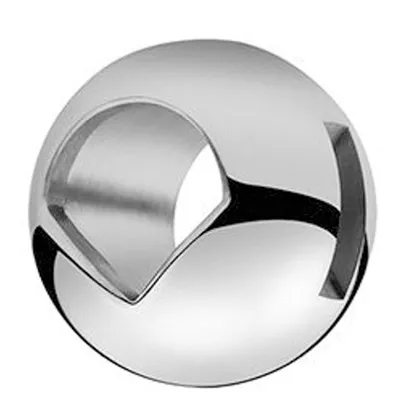
If you’re interested in learning more about my valve balls or would like to discuss your specific requirements, please don’t hesitate to get in touch. I’m always happy to have a chat and help you find the perfect solution for your valve needs.
By Port References
- "Valve Handbook" by Robert W. Saunders
- "Industrial Valves: Selection and Sizing" by James E. Swearingen
- "Valve Technology Handbook" by Peter R. Elger
Zhejiang Jigong Valve Co., Ltd.
Zhejiang Jigong Valve Co., Ltd. is one of the most professional valve balls manufacturers and suppliers in China, also supports customized service with low price. Please feel free to wholesale durable valve balls made in China here from our factory. For quotation, contact us now.
Address: Dongou Industrial Park, Oubei Subdistrict, Yongjia County, Wenzhou City, Zhejiang Province (within Zhejiang Yinhe Machinery Manufacturing Co., Ltd.)
E-mail: Sales@cnzjsk.com.cn
WebSite: https://www.ball-china.com/
