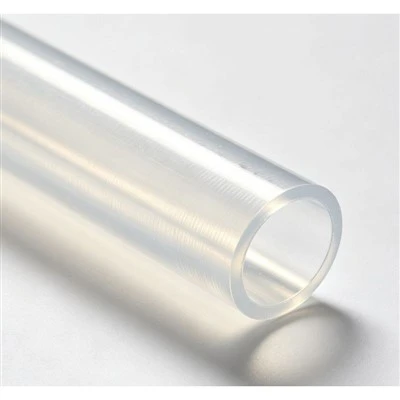
If you’ve ever ordered EPDM hoses for a project, you know that cutting corners on storage can turn a perfectly good set of hoses into a cracked, sticky, or brittle mess before you even get to use them. Over the 12 years I’ve been supplying EPDM hoses to automotive manufacturers, agricultural equipment dealers, and industrial maintenance teams, I’ve seen it all: a shipment of coolant hoses ruined by a leaky warehouse roof, a batch of vacuum lines turned useless by being stacked too heavy in the sun, and a set of food-grade EPDM hoses cross-contaminated with oil residues from nearby inventory. EPDM (ethylene propylene diene monomer) is a durable synthetic rubber that handles extreme temperatures, ozone, and moisture better than most other rubber compounds—but it’s not invincible. It’s a material that ages slowly, and how you store it will make all the difference between a hose that lasts 5 years and one that cracks after 6 months sitting on your shelf. EPDM Hose
I write this not from a textbook, but from the dozens of calls I get every month from customers who say, “We stored our new EPDM hoses wrong, can you send replacements?” Some are small farm owners who keep spare hoses in a unheated tool shed out back, others are plant managers whose warehouses have high humidity and poor ventilation, and even a few are fellow suppliers who admit they messed up storing a bulk order before delivering it to their own clients. The good news is that proper EPDM hose storage doesn’t require fancy equipment or a huge budget. It just means understanding what this material hates most, and designing your storage space to avoid those threats.
Let’s start with the biggest enemy of EPDM: UV light and ozone. EPDM is made to resist ozone and UV when it’s part of an active system, like a hose running through a car engine or a water transfer line that’s in constant use. But when it’s sitting still on a shelf, exposed to direct sunlight or even indoor fluorescent lighting, those same compounds that protect it start to break down. Ultraviolet rays penetrate the rubber’s surface, breaking the molecular bonds that give EPDM its flexibility. Ozone, which is present in the air we breathe (especially near electrical equipment, factory machinery, or even outside), attacks the rubber’s surface over time, causing small cracks that grow deeper with every month of exposure. Last year, I worked with a construction company that had ordered 200 feet of large-diameter EPDM hoses for a well pump project. They stored them rolled up and leaning against an outside wall, uncovered, for 8 weeks before they were ready to install. By then, the outer layer was cracked so badly that half the hoses had to be scrapped before they even hit the job site.
The fix for this is straightforward: keep EPDM hoses out of direct light and away from high-ozone areas. That means storing them indoors, in a dark, covered space like a closed warehouse, a locked storage room, or even a heavy-duty plastic storage bin if you don’t have a dedicated space. If you have to store hoses temporarily outside—say, if you’re in between job sites and need to keep spares on hand for a week or two—cover them completely with a dark, UV-resistant tarp. Don’t use a thin plastic sheet, though; regular plastic traps moisture against the hose and doesn’t block UV rays as well. A woven poly tarp designed for outdoor equipment storage works best, and make sure it’s secured tightly at the bottom so wind doesn’t blow it off and expose the hoses. Also, avoid storing EPDM near things that produce high ozone, like electrical transformers, welding equipment, or old batteries. Even small amounts of ozone over time can weaken the rubber, so keep those areas separate from your hose inventory.
Next, temperature control is non-negotiable. EPDM handles extreme temperatures well when it’s in use—we’ve made hoses that work in temps from -40°F to 300°F (-40°C to 149°C), but storage temperatures are a different story. High heat speeds up the aging process dramatically. When EPDM is stored in a space that’s above 100°F (38°C), the rubber’s molecular structure breaks down much faster than it would at room temperature. I once visited a parts warehouse in a southern state where the hoses were stored in an uninsulated back room that hit 120°F during the summer. After 3 months, half the EPDM hoses there were so soft and sticky that they deformed under their own weight. On the flip side, very cold temperatures aren’t great either. While EPDM stays flexible at low temps, storing it below 0°F (-18°C) for long periods can make it brittle over time. The ideal storage temperature for EPDM is between 50°F and 70°F (10°C and 21°C)—the same range most people keep their homes and offices in. If you’re storing hoses in a space that swings outside that range, like a garage or tool shed with no insulation, be extra mindful of the season. In winter, if your garage drops below freezing for days at a time, bring the hoses inside for the coldest months. In summer, if your warehouse gets too hot, use fans or insulation to keep the temperature stable. Avoid storing hoses near heat sources like radiators, furnaces, or water heaters, too—even a small amount of constant heat exposure will shorten their shelf life.
Then there’s how you actually place the hoses in storage. Too often, I see customers stack EPDM hoses haphazardly, either flat in a pile or hanging them too loosely from hooks. Both mistakes cause damage that’s not always visible right away. When you lay hoses flat and stack heavy items on top of them—like other rubber hoses, metal pipes, or pallets of parts—you cause permanent compression set. Compression set is exactly what it sounds like: the rubber stays deformed in the shape of the stack, even after you remove the weight. A compressed hose won’t seal properly when you install it, leading to leaks or failure soon after you put it to use. I had a customer once who stacked 50 10-foot EPDM heater hoses flat on top of each other, with a metal toolbox on the very top. When they unstacked them a month later, each hose had a flat, indentation on the middle that made it impossible to fit over the engine’s ports. We had to replace the entire order, and the customer missed their production deadline as a result. Stacking is also bad for hanging hoses. If you hang EPDM hoses from thin nails or small hooks that only support a small part of the hose’s circumference, you can create weak points in the rubber over time. Loose hanging also makes hoses stretch unevenly, which breaks their internal reinforcement cords (if they’re reinforced EPDM).
The correct way to store EPDM is to keep them either rolled properly or hung on wide, sturdy supports, never stacked flat, and never compressed. If you’re rolling hoses, roll them tightly around a rigid core—like a cardboard tube from a paper roll or a plastic pipe that’s slightly smaller than the inner diameter of the hose. Roll them in the same direction they were rolled when they left our warehouse (that info is on every packing slip, by the way—always follow the manufacturer’s original roll direction to avoid kinks and stress). Don’t roll them so tight that you warp the inner wall, but tight enough that they hold their shape. If you don’t want to use cores, you can hang them on wide hooks or horizontal bars. The hooks should be at least twice the diameter of the hose, so the entire weight of the hose is supported along a wide surface, not just a small point. I recommend hanging hoses in a single layer, so you don’t have one hose resting on top of another. If you have to store a lot of hoses, use pallet racks with separate slots for each hose, or line shelves with padded strips to keep hoses from touching hard surfaces that could scratch or puncture the outer layer. For bulk rolls of EPDM hose, use vertical storage racks made specifically for large diameter rolls—they keep the weight evenly distributed and prevent deformation.
Moisture and chemical contamination are two more hidden threats people overlook. EPDM is resistant to water, but that doesn’t mean it likes being wet for months on end. High humidity in storage areas can trap moisture against the hose’s surface, leading to mold growth or even surface degradation over time. I had a customer in the food and beverage industry who stored EPDM hoses for drinking water in a basement with 80% humidity. After 6 months, the hoses had a thin layer of mold on the outside that was impossible to clean off, and we had to issue a recall on that batch because it violated food safety standards. The fix here is to keep storage areas dry and well-ventilated. If your warehouse is humid, use dehumidifiers to keep the humidity level below 65%—that’s the sweet spot for most rubber storage. Avoid storing EPDM hoses in areas that get damp from leaks, like near windows that leak during rain or leaky pipes.
Chemical contamination is another big one. EPDM is resistant to many chemicals, like mild acids, detergents, and water, but it’s not resistant to petroleum-based products like gasoline, diesel, motor oil, or hydraulic fluid. If hoses come into contact with these chemicals, they will swell, soften, or crack, making them unsafe to use. Even a small spill of oil on a hose, if left uncleaned, can ruin it over time. Last year, I helped a mechanic who had stored EPDM vacuum hoses next to a barrel of motor oil in his garage. A small drip from the barrel got on two of the hoses, and when he installed them, they swelled and blocked air flow to the engine, causing it to stall mid-job. To avoid this, store EPDM hoses at least 10 feet away from any chemicals, especially petroleum products. If you do get a spill on a hose, clean it immediately with mild soap and water, and let it dry completely before putting it back in storage. If it’s a food-grade EPDM hose, make sure the cleaning product is approved for food contact, per FDA guidelines.
One final thing to keep in mind is shelf life. Even if you follow every storage rule perfectly, EPDM hoses won’t last forever. The typical shelf life for properly stored EPDM is 5 to 7 years from the date of manufacture. After that, the rubber’s molecular bonds start to break down naturally, even in ideal conditions. I always advise customers to label their hoses with the manufacture date, so they know when to rotate stock. Use the first-in, first-out (FIFO) method: use the oldest hoses first, and store new ones behind the old ones so you don’t accidentally keep hoses that are past their shelf life. Never install a hose that’s older than 7 years, even if it looks fine. I’ve seen too many failures where a 10-year-old EPDM hose burst because it had aged in storage, with no obvious signs of wear before installation.
Storing EPDM hoses properly isn’t hard, but it does require a little planning and attention to detail. It’s the difference between a $50 hose that lasts 5 years and a $50 hose that gets ruined in 6 months because you left it in the sun on a pallet. As an EPDM hose supplier, I tell every customer this: the time you spend storing your hoses correctly saves you money in replacements, avoids project delays, and keeps equipment running safely.
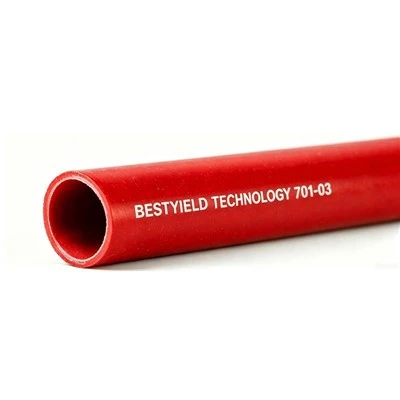
If you’re unsure about your current storage setup, or you need new EPDM hoses that are manufactured to last when stored correctly, we can work with you to find the right products and answer any questions you have about storage best practices. Reach out to our team to discuss your hose needs and how we can help you keep your inventory in top condition.
UPE Hose References
ASTM D5306, Standard Practice for Rubber Hoses, Selection, Care, and Storage
ISO 2230, Rubber and Rubber Products – Methods for Aging and Heat Resistance Testing
The Rubber Manufacturers Association, Storage Guidelines for Industrial Rubber Products
EPDM Association, Material Properties and Handling Recommendations for Ethylene Propylene Diene Monomer Rubber
BESTYIELD Technology (Huizhou) Co., Ltd.
BESTYIELD Technology (Huizhou) Co., Ltd. is one of the most professional epdm hose manufacturers and suppliers in China, featured by quality products and good price. Please rest assured to buy durable epdm hose made in China here and get quotation from our factory. Customized orders are welcome.
Address: Yinshan Industrial Zone, Liangjing Town, Huiyang District, Huizhou City, Guangdong Province
E-mail: rick@bestyield.net
WebSite: https://www.bestyield.org/
