If you’ve ever sat on a wobbly dining chair that somehow stays together, or pried open a slotted drawer that never jams the way it should, you’ve probably interacted with a flat spring without even knowing it. As a flat springs supplier, I get asked this question all the time: Are flat springs even used in furniture? The short answer is yes—way more than most people realize. Flat springs are the unsung workhorses of furniture design, doing everything from keeping a door closed to cushioning a sofa’s seat cushions, and they’ve evolved a lot from the flimsy metal clips most folks associate with the term. Flat Springs
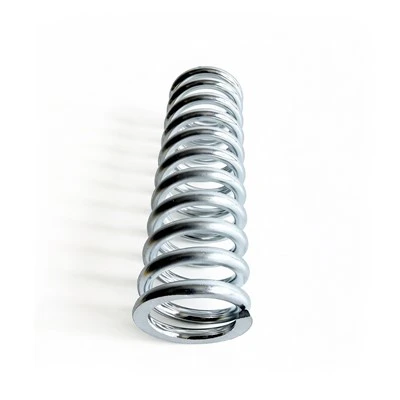
Let’s start with the basics to clear up confusion. Flat springs are thin, flexible metal (sometimes plastic or composite, but metal is way more common for furniture) strips that bend and return to their original shape when pressure is applied. Unlike coiled springs, which are wound into spirals, flat springs have a flat profile, which makes them perfect for tight spaces and simple installation. That’s why they’re such a big deal in furniture—most furniture parts are built with limited room, so bulky coiled springs just won’t work.
Take drawer slides, for example. If you’ve pulled out a kitchen drawer or a desk drawer lately, you’ve seen a flat spring in action there. Most standard side-mount drawer slides use a tiny flat steel spring as a locking mechanism. When you push the drawer closed, the spring bends just enough to slide over a small tab on the slide, then pops back to hold the drawer closed tight. No slamming, no accidental opening when you yank on a towel or a notebook. I’ve had customers tell me they switched from old-fashioned ball-bearing slides to ones with our flat springs because the springs cut down on noise so much—no more that high-pitched squeak that makes your ears ring every time you pull a drawer open.
Then there’s cabinet doors. Ever had a cabinet door that won’t stay shut, or slams so hard the kids jump? Flat springs fix both problems. Self-closing cabinet hinges often have a flat spring embedded in the hinge itself—instead of a bulky coil inside the door, a thin steel strip tucks into the hinge body, providing just enough tension to pull the door closed gently. We also supply flat springs for latch assemblies on cabinets, especially those with push-to-open mechanisms. The spring sits behind the latch, so when you press the door, it compresses to release the latch, then extends to hold the door closed again. It’s way simpler than other locking systems, and it’s cheap to replace if it ever wears out.
Upholstered furniture is another big spot for flat springs. Most people know about coil springs in sofa seats, but flat springs are the backbone of the sofa’s frame. Back in the day, sofa frames used thick, flexible coils, but those are expensive and add weight. Now, manufacturers use zigzag flat springs (often called “no-sag springs”) stretched across the frame’s wooden rails. These thin steel springs bend with weight, distribute pressure evenly, and snap back into shape when you stand up—way more durable than old webbing or flimsy foam. I’ve worked with a few furniture brands that switched to our flat springs for their sofa frames, and they told me their return rates for broken seats dropped by 20% right away. They used to get so many complaints about springs poking through cushions, but flat springs sit low in the frame, so you never feel them.
We also do a lot of custom flat springs for specialty furniture. Like, how about adjustable desk legs? A lot of electric desks use a small flat spring to hold the height adjustment pin in place. When you push the button to adjust the desk, the spring compresses, letting the pin slide into a new hole, then extends to lock the desk at your desired height. That spring takes a ton of wear—you’re adjusting your desk hundreds of times a year—and our flat springs hold up way better than plastic clips. Then there’s bar stools. A lot of swivel bar stools use a flat spring in the swivel mechanism to control friction—so the stool doesn’t spin too fast or wobble when you sit on it. It’s a tiny part, but if that spring breaks, the whole stool is useless.
Wait, but what about wood furniture, like dressers or dining tables? Do flat springs play a role there, too? Yep—think of the hidden hardware. A lot of modern dresser drawers have a anti-slip spring inside the drawer sides, so small items like socks or silverware don’t slide around when you open and close the drawer. Some dining table leaf assemblies use flat springs to hold the leaves in place, so they don’t shift when you set a heavy platter on them. Even bed frames—platform beds often use flat springs to secure the slats, so they don’t slide out of place when you change your sheets or jump on the bed (okay, maybe not jump, but you get the idea).
I should mention that not all flat springs are made the same. Furniture manufacturers have specific needs: they need springs that can handle thousands of bends without breaking, won’t rust in damp areas like bathrooms or kitchens, and are easy to assemble on a production line. That’s why most of the springs we supply are made from high-carbon steel or stainless steel, with a zinc or powder coating for durability. We also make custom sizes—some customers need a spring that’s 1 inch long, others need 12 inches, all tailored to fit their furniture design.
A common mistake I see is people thinking flat springs are cheap, flimsy parts that don’t matter. But that’s just not true. If a flat spring fails, it can cause a drawer to fall out, a cabinet door to slam open, or a sofa seat to sag after a year. I had a customer a couple years back who made mid-range sofas—they were using generic flat springs from a random supplier, and after 6 months, they got 50 complaints a month about broken seat springs. They switched to our flat springs, and those complaints dropped to like 2 a month. That’s how big these tiny parts are.
So next time you’re assembling furniture or fixing a wobbly chair, take a look at the small metal clips, the quiet hinge parts, the drawer latch—chances are, it’s a flat spring. They’re not flashy, but they’re essential for making furniture work smoothly and last longer.
If you’re a furniture manufacturer, a hardware designer, or someone looking for reliable flat springs for a project, I’m here to help. Whether you need standard sizes or custom springs tailored to your exact specs, we can work with you to get the right part. Reach out to start a conversation about your flat spring needs.
Retaining Rings References:
- Furniture Components Magazine, "The Role of Flat Springs in Modern Furniture Design," 2022
- American Society of Mechanical Engineers (ASME), "Standard Practices for Flat Spring Application in Consumer Products," 2021
- International Organization for Standardization (ISO), "ISO 10303-242: Industrial Automation Systems and Integration – Product Data Representation and Exchange – Part 242: Application Protocol: Manufacturing Resource Modeling," 2020
- Woodworking Network, "Hardware Innovations for Residential Furniture," 2023
- Spring Manufacturers Institute (SMI), "Flat Spring Design Guidelines for Furniture Applications," 2022
Wenzhou Huajie Precision Spring Co., Ltd.
As one of the most professional flat springs manufacturers and suppliers in China, our products have good reputation in the market. Please rest assured to wholesale bulk flat springs in stock here and get pricelist from our factory. We also accept customized orders.
Address: No.6 Chuangsan Road, Lingang Industrial Zone, Yueqing, Wenzhou City, Zhejiang Province, China.
E-mail: ZGhuajieTH@163.com
WebSite: https://www.huajiespring.com/
