Hey there! If you’ve ever shipped or handled spouted pouches, you’ve probably wondered at some point: “Wait, are these things actually tough enough to not get beat up when moving around a warehouse or sitting on a store shelf next to a bunch of other stuff?” As someone who’s been in the spouted pouch supplier game for over a decade, I’ve gotten this exact question from every kind of client—from snack brands testing their first stand-up pouch to pet food companies moving 50k units a week. Today, let’s break this down like we’re chatting in the back of a warehouse, no stuffy science jargon that makes your eyes glaze over. Spouted Pouches
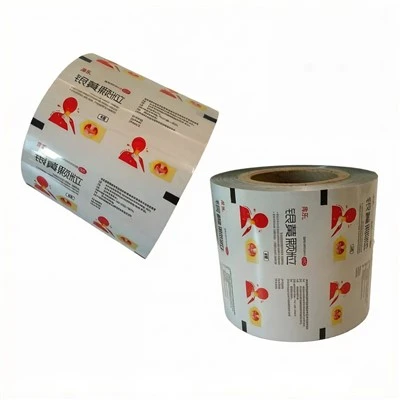
First off, let’s get one thing straight: abrasion resistance in packaging isn’t just “can it not scratch easy?” It’s about how well it holds up when it rubs against other hard or rough surfaces—think metal warehouse shelves, the sharp edges of corrugated boxes, other pouches stacked on top, even rough conveyor belts at the factory. A lot of people assume spouted pouches are just a flimsy plastic bag with a cap stuck on, but that’s so not true. The real workhorse here is the pouch material itself, plus how the spout is sealed in—two things we mess with a lot at our shop to make sure clients don’t have to deal with ruined inventory.
Let’s start with the material, because that’s where abrasion resistance lives for spouted pouches. Most basic pouches are made of a multi-layer flexible film, right? Not just one thin sheet of plastic. We usually run through a few common combinations, depending on what the client is packing, and each plays a role in abrasion. For example, if someone’s packing dry snacks like trail mix or jerky, we often use a film that has a layer of polyethylene (PE) on the outside—specifically linear low-density PE (LLDPE), wait, no, actually low-density is good but linear low has more tensile strength, right? Yeah, LLDPE is our go-to for outer layers because it’s more flexible and tougher than regular LDPE. It doesn’t crack when it rubs against something rough, and it bends instead of tearing if it gets scuffed on a conveyor. But if a client needs even more oomph—like if they’re packing heavy pet food, 10-pound bags that get shifted around a lot—we’ll add a layer of nylon (PA) to the mix. Nylon adds puncture resistance too, which ties into abrasion, because a small scratch can turn into a tear real fast if the material’s weak.
Wait, let’s talk about what happens when a pouch gets abraded, because that’s the part no one thinks about until it’s too late. If the outer layer of the film gets scraped through, that exposes the inner layers—usually ethylene vinyl alcohol (EVOH) for barrier, right? EVOH is great for keeping air and moisture out, but it’s super sensitive. If it gets scratched or abraded, it can start to degrade faster, ruining the product inside. For example, a craft beer in a spouted pouch—if the outer PE layer gets worn off on the shelf, the EVOH layer gets scuffed, and suddenly the beer goes flat or skunky way before its expiration date. That’s a headache no client wants, so we test every pouch we make for abrasion specifically to avoid that.
Now, the spout itself—wait, I almost forgot about the spout, which is a big part of the abrasion puzzle. A lot of suppliers just glue the spout into the pouch, but we use what’s called heat induction sealing, right? Wait, no, for flexible pouches, it’s actually ultrasonic welding or heat sealing that fuses the spout to the film layer, so it’s not just glued on. If the seal between the spout and the pouch is weak, abrasion can make that seam pull apart over time, especially when you’re stacking heavy pouches on top of each other. We’ve had clients come to us before with pouches where the spout ripped off after just a week of shipping, and 9 times out of 10, that was because the seal was bad, not because the film was weak. So when we’re making a spouted pouch for someone, we test both the film’s abrasion resistance and the spout-pouch seal’s resistance to rubbing—we even use that Taber Abraser machine that’s standard in packaging testing, wait, yeah, that’s the big wheel that rubs against the pouch and measures how much it wears down. We don’t just go by the specs the material supplier gives us; we run our own tests because every application is different.
Let me throw in a real quick example from last year, because that’s way more relatable than just talking specs. We had a client who makes organic nut butter and was using a competitor’s spouted pouches for their 1-pound squeeze packs. They were coming to us because 8% of their shipment was getting returned from stores because the pouches had scratch marks, and some even had small tears that let air in, making the nut butter go rancid. We took a look at their old pouches: the competitor was using a 2-layer LDPE film, no nylon, and a weaker spout seal. We switched them to a 3-layer film with LLDPE outer and nylon middle, plus a reinforced heat-sealed spout, and guess what? The abrasion rate dropped to less than 0.5%. They cut their return costs by almost $12k that quarter. That’s the kind of stuff that makes this job worth it—fixing a problem clients didn’t even realize they had until it was costing them money.
Wait, but not all spouted pouches need to be maxed out on abrasion resistance, right? A pouch for a single-serve apple sauce that’s shipped in a box of 10 doesn’t need the same tough film as a 5-pound bag of dog food that’s going through cross-country shipping and being moved around a warehouse. We’ll always ask clients about their supply chain—how are the pouches shipped? Are they stacked high? Do they go on rough conveyor belts? Do they get handled by warehouse workers who might drop or drag boxes? All those factors change what kind of film we use, so abrasion resistance is customized, not one-size-fits-all. That’s another thing a lot of big suppliers don’t get—they just send the same pouch for every order, even if it’s not right for the client’s situation.
Is there a time when spouted pouches are not that abrasion resistant? Yeah, obviously. If you’re using a thin, single-layer film for a product that doesn’t need a barrier, like a single-serve pouch of granola that’s going straight from the factory to a convenience store shelf, that pouch will scuff easy. But that’s because you’re choosing the wrong material for the job, not because spouted pouches themselves are bad at abrasion. We’ll never push a super tough pouch on a client that doesn’t need it—we care about saving them money, not just selling them more expensive materials.
Another thing people don’t talk about: surface treatment for spouted pouches. A lot of clients want to print their logo, branding, and nutrition facts on the pouch, and if the ink isn’t properly bonded, abrasion can make it rub off on other products or on store shelves. We always do a corona treatment on the outer film layer before printing, which makes the ink stick way better, so it doesn’t scratch off even if the pouch is rubbed a bunch. That’s a small step but it makes a huge difference for shelf appeal, which is super important for consumer products.
Wait, let’s get back to that Taber Abraser test I mentioned earlier, because that’s the actual science behind it. The Taber test uses two rubber wheels that spin against the sample pouch under a set weight, and they measure the amount of material that wears off after a certain number of cycles. For most standard spouted pouches for food packaging, a good result is less than 5 milligrams of material worn off after 1000 cycles. The heavy-duty ones we do for pet food or bulk products are usually under 2 milligrams after the same test. We send a copy of that test to every client, no secrets—they can see exactly how abrasion-resistant their pouches will be before we even start production. That transparency is something we pride ourselves on, because we don’t want clients to be surprised when their pouches show up.
I’ve also heard people say that stand-up pouches (which most spouted pouches are) are more prone to abrasion than other packaging, like cans or bottles. Is that true? Maybe a little, because they have a flexible shape that can rub against other pouches more easily, but if you use the right film, that’s totally manageable. Cans are tough but they’re heavy, and they take up more space, so shipping costs more. Bottles are brittle and can break. Spouted pouches strike a balance—they’re lighter, cheaper to ship, and with the right abrasion resistance, they hold up just as well, if not better, than rigid packaging in most cases. We work with a lot of clients who switched from cans to spouted pouches and saw a big drop in both shipping costs and product damage from abrasion.
Wait, let’s not forget about extreme conditions, because abrasion resistance can change with temperature, right? If a pouch is being shipped in the middle of summer, when it’s 90 degrees in a truck, the plastic film gets softer, so it’s more prone to abrasion. We’ll adjust the film grade for clients shipping in hot climates—use a higher-melting-point LLDPE that stays tough even when it’s warm. And if they’re shipping in cold climates, where plastic gets brittle, we switch to a low-temperature resistant LLDPE that doesn’t crack when it’s rubbed. That’s another customization that makes our spouted pouches better than off-the-shelf ones.
So to wrap this up, are spouted pouches resistant to abrasion? The short answer is: when they’re made right, absolutely. The long answer is it depends on the film material, the spout seal, surface treatments, and the customization to your specific supply chain. At our shop, we don’t just make pouches—we test them, adjust them, and make sure they fit your exact needs so you don’t have to deal with scratched, torn, or ruined product.
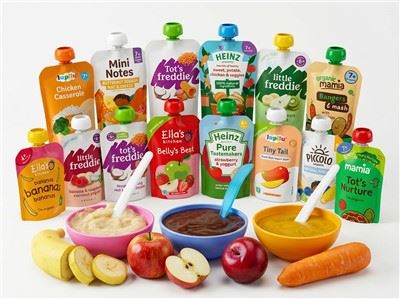
If you’re tired of dealing with high return rates from abraded spouted pouches, or you’re just looking to switch to more durable packaging for your products, we’d love to chat. We can send over sample pouches, share our test data, and work with you to figure out the perfect abrasion-resistant pouch for your brand. No pressure, no salesy garbage—just real talk and quality products that work for you.
High-barrier Aluminum Foil Bag References:
- Han, J. H. (Ed.). (2015). Flexible Packaging Technology. Wiley.
- Soroka, W. (2019). Fundamentals of Packaging Technology (5th ed.). Institute of Packaging Professionals.
- Taber Industries. (2022). Taber Abraser Operation and Testing Standards. Available via industry technical resources.
Qingdao Senlida Packing Co., Ltd.
Qingdao Senlida Packing Co., Ltd. is one of the most experienced spouted pouches manufacturers and suppliers in China since 1995. With a professional production team, we are able to meet the needs of the majority of our customers. Please feel free to buy high quality packing products at competitive price from our factory.
Address: No.299 Feichao Road, Luwang Town, Huangdao District, Qingdao, Shandong Province, China.
E-mail: liuxh@qdsenlida.com
WebSite: https://www.senlidapacking.com/
