If you’ve ever stood in the middle of a sunny afternoon, craning to feel a soft breeze slip through a door while keeping the mosquitoes out, you’ve probably wondered about casement doors and their screens. As a casement doors supplier, I get this question all the time, and it’s one that comes up because so many homeowners and builders want functionality that doesn’t sacrifice style. The short answer is: yes, casement doors absolutely have screens that open—though the way they work, the options available, and why they’re a game-changer for many homes is worth breaking down. Let’s get into the details, no confusing industry jargon, just real talk from someone who’s spent years working with these doors. Casement Doors
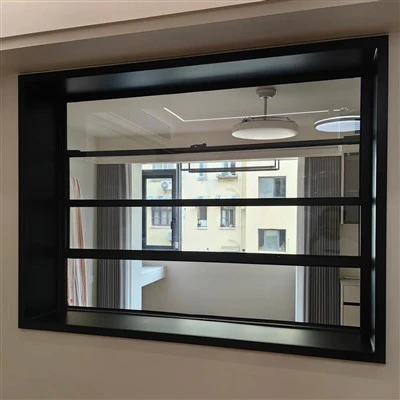
First, let’s make sure we’re on the same page about what a casement door is, because that’s foundational. Unlike sliding doors that glide on tracks or swinging doors that hinge in or out with a flat panel, casement doors are attached to the frame with one or two hinges on the side (think of how a hand-cranked window works, but bigger). They swing fully open to the left or right, almost flat against the wall when you open them wide. That swing is key when it comes to screens—because it means the screen can be configured to move in a way that works with that door swing, not against it.
Years ago, when casement doors were mostly used on cottages or older homes, screens were often an afterthought. You’d get a flimsy roll-up screen that only covered half the door, or a fixed screen that didn’t open at all, which meant you’d have to remove the whole thing if you wanted full airflow. That’s not the case anymore. Modern casement door screens are designed to match the door’s operation, and most of them open smoothly, just like the door itself. There are a few common types, and each solves a different need, so let’s walk through them.
The most popular type is the operable casement screen that’s hinged on the same side as the door. Wait, that makes sense, right? If your casement door swings open from the right, the screen is also hinged on the right side of the door panel, so when you open the door, you can either open the screen with it or leave the screen closed if you just want a little airflow without letting bugs in. I’ve installed hundreds of these, and they’re a hit because of how intuitive they are. No more fumbling with a flimsy screen door that slams shut when the breeze picks up—this screen moves exactly like the main door. You can crank or push the door open, and the screen swings right along with it, creating a wide, unobstructed opening for that perfect cross-breeze.
I remember a customer a few years back who had a back porch that faced a wooded area in the South. Mosquitoes were brutal, and she’d been using a fixed screen on her old casement door that she’d have to prop open with a stick if she wanted airflow. Once we installed operable hinged screens, she texted me a photo a week later of her and her kids eating dinner on the porch, with the screen fully open and no mosquitoes inside. She said it was the best upgrade to her home that year. That’s the kind of real, tangible benefit that makes these screens worth talking about.
Another type of operable screen for casement doors is the sliding screen. Wait, some people prefer this, especially if they have limited wall space. If your casement door swings into a narrow hall or a small patio wall, you don’t want the screen sticking out when it opens—so a sliding screen that moves along a track at the top and bottom of the door frame is a great alternative. This screen sits inside the frame, same as the hinged version, but instead of swinging open, you slide it left or right to cover the door opening. It’s not quite as wide an opening as the hinged screen, but it’s perfect for spaces where swing room is tight. I’ve used sliding screens a lot for condos and small urban homes, where every inch of space counts. There’s no gap when the screen is closed, either, so it keeps out even the tiniest gnats, which is a big plus for people who hate finding bugs flying around their kitchen.
Then there are the retractable casement door screens, which are super popular for people who want maximum versatility. These are different from the old roll-up screens your grandma might have had—modern retractable screens are made with durable fiberglass or aluminum mesh, and they slide into a small casing at the top of the door frame. When you want to open the screen, you pull it down until it locks into place at the bottom of the door. When you don’t need it, you just release the lock, and it retracts smoothly back into the casing, out of the way. The best part here is that when your casement door is fully open, the screen is completely hidden, so you get full, unobstructed airflow—no screen sticking out, no hinged panel getting in the way. I installed these for a customer who has a large backyard, and she often hosts barbecues where the casement door is wide open for hours. With a retractable screen, she can have the door open and no mosquitoes, and when the party’s over, she retracts the screen and the area looks clean and uncluttered.
Now, you might be wondering: do all casement doors come with operable screens? The short answer is no, but that’s by design. A lot of customers choose their screens based on their lifestyle, not a one-size-fits-all approach. For example, if someone lives in a dry, low-insect area like the desert Southwest, they might opt for no screen at all, because they don’t need it to keep bugs out, and they want the full, unobstructed view. If someone lives in a place with four distinct seasons, they might choose a removable screen for the winter—so they can take it off when they want a clear, open door for the cold months, and put it back on in the spring and summer. That flexibility is one of the biggest benefits of working with a casement doors supplier—we don’t push you to pick a screen that doesn’t fit your needs, we help you pick one that does.
There’s a common misconception that operable screens for casement doors are flimsy or easy to break, but that’s not true anymore. The best screens are made with heavy-duty materials—fiberglass mesh that’s tear-resistant, aluminum frames that won’t rust, and hinges or tracks that are tested to last for thousands of openings and closings. I’ve had customers who’ve had their casement doors and screens for 10 years, and they still work as smoothly as the day we installed them. We use quality components because we know a door is a big investment for a home, and the screen shouldn’t be an afterthought that wears out in a year.
Something else I always tell customers to consider is the fit between the screen and the door frame. A poorly fitting screen is worse than no screen at all—it lets bugs in, it rattles when the wind blows, and it can pull away from the frame over time. That’s why we measure each door individually when we install the screen, not just use a standard size that might be too big or too small. For casement doors, the screen has to align perfectly with the door’s swing, so there’s no gap along the edges when it’s closed. I always do a test swing right after installing the screen to make sure it moves smoothly, no sticking, no rubbing, and that it seals tight when closed. That attention to detail is what makes a good casement door screen, in my opinion.
Let’s also talk about custom options, because not every home is the same. Some customers want screens with pet-resistant mesh, which is thicker and can handle a dog scratching at it—game-changer for pet owners. Others want screens that are tinted or have solar mesh, which blocks UV rays and keeps the home cooler in the summer, without blocking the breeze. We even work with customers who want screens with decorative patterns, to match the style of their home’s exterior. I had a customer who had a craftsman-style home, and she wanted a screen with small, subtle geometric patterns that matched her window trim. We were able to get that custom made, and it looked so much better than a plain white screen would have.
Now, if you’re someone who’s currently shopping for casement doors, let’s talk about what to ask for when you’re looking at screens. First, consider your space: do you have enough room for a hinged screen to swing open? If your patio or hall is small, sliding or retractable is probably a better bet. Second, think about your climate: if you live in a humid, bug-heavy area, you’ll want a durable, well-fitted screen that stays in place year-round. If you have pets or kids, pet-resistant mesh is a smart investment. Third, don’t forget to ask about the warranty. A quality screen should have a warranty that covers defects in materials and workmanship for a few years, so you know you’re protected if something goes wrong.
As a casement doors supplier, I’ve seen how the right screen can transform a casement door from just a way to get in and out of your home to a functional, comfortable part of your daily life. There’s nothing better than a warm spring evening, a gentle breeze coming through your casement door, a screen that keeps the mosquitoes out, and no annoying flimsy screen door getting in the way. It’s small, but it’s the kind of detail that makes coming home feel good.
If you’re ready to explore casement doors for your home, or you have questions about which screen option works best for your space, reach out to our team to discuss your needs. We’ll walk through your space, your lifestyle, and your preferences, and help you pick the right casement door and screen combination that fits perfectly.
Inward Opening Windows References
- American Architectural Manufacturers Association. (2022). Performance Standards for Windows and Doors: Casement Units. AAMA 101-22.
- National Association of Home Builders. (2021). Energy-Efficient Door and Window Guide: Screen Options for Exterior Doors. NAHB Research Center.
- Window & Door Manufacturers Association. (2020). Residential Screen Product Specifications and Installation Best Practices. WDMA Standard 10-20.
Foshan Hoview Windows and Doors Co., Ltd.
Foshan Hoview Windows and Doors Co., Ltd. is one of the most professional casement doors manufacturers and suppliers in China. Please feel free to buy durable casement doors in stock here and get quotation from our factory. All customized products are with high quality and competitive price.
Address: No.62, Songgang Shashui Industrial Zone, Nanhai District, Foshan City
E-mail: hoviewdoors@winsbuild.com
WebSite: https://www.hoviewwindows.com/
