If you’ve ever looked at gear for cops, security teams, or outdoor tactical types, you’ve probably wondered: is that duty gear or tactical gear? And does it even matter? As someone who’s been supplying duty gear for over a decade, I get this question all the time—from new officers stocking their first belt to small security teams trying to build their kit without wasting cash. The short answer? They’re built for two totally different jobs, and mixing them up can cause big problems when you’re in a pinch. Let’s break it down like we’re shooting the breeze at a department store break room, no boring textbook jargon here. Duty Gear

First, let’s start with who uses each, because that’s the easiest way to tell them apart. Duty gear is for folks who show up to work, do their shift, and leave. That’s your patrol cops, campus security, mall security, even the school resource officer hanging out at your local high school. Their days are pretty predictable: they’re responding to routine calls, writing reports, doing traffic stops, and staying on their feet for 8-12 hours straight. Tactical gear, on the other hand, is for people who operate in high-stakes, unpredictable environments. Think SWAT teams, military special ops, tactical medics, or even hunters who’re going after big game in remote, harsh terrain. Their missions are short, intense, and almost never go according to plan.
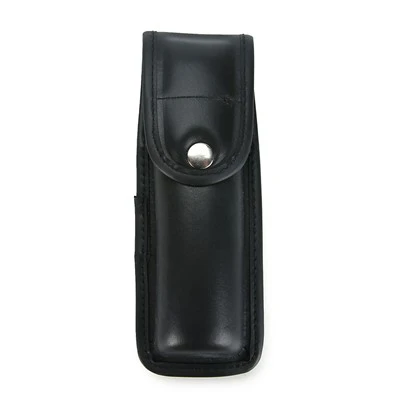
Now let’s talk design, because that’s where the real differences show up—and where a lot of people get tripped up. Duty gear is built for all-day comfort and easy access. Let’s take a patrol belt, which is the core of any duty kit. You’ve got your holster for your service weapon, magazine pouches, a radio holder, pepper spray, a baton, maybe a handcuff case. Duty belts are usually layered with padding or a neoprene backing to keep your hips from aching after 10 hours of walking, running, and sitting in a patrol car. They’re also set up for quick, one-handed access—you don’t want to fumble with your handcuffs when someone’s getting away, right? Most duty gear uses durable nylon or heavy-duty polyester; it’s tough enough to hold up to daily wear and tear, but not so bulky that it weighs you down. Also, it’s got a standard look—usually black, sometimes navy, so it blends in with a uniform without standing out. No fancy branding, no extra straps sticking out that might catch on a door handle during a traffic stop.
Tactical gear is built for speed and adaptability, no holds barred. A tactical belt, for example, is way lighter, usually made of rigid Kydex or thin, high-tensile nylon, because patrol officers don’t need to carry 3 extra rifle magazines and a trauma kit on their regular shift. Tactical gear is modular as hell—you can swap out pouches in 2 seconds flat, add a plate carrier for extra armor, or attach a night vision mount in a minute. The materials are tougher too, usually 1000D Cordura or even harder stuff like carbon fiber, because it’s meant to take a beating in a firefight or a mountain hike. It’s also designed to be flexible—tactical teams move fast, so their gear doesn’t dig into their shoulders when they’re sprinting, and pouches are placed where they’re easy to reach while running or climbing. And let’s be real, tactical gear often looks a little more aggressive—olive drab, multicam, or even desert tan, because blending in with the environment is key for stealth missions.
Wait, but what about when people use tactical gear for regular duty? I’ve seen it happen, and more often than not, it ends badly. A new officer might think, “Tactical gear is tough, so it must be better for me!” But that rigid tactical belt? After a full shift, your hips will be screaming. The extra pouches you don’t need? They catch on everything—your uniform, your patrol car door, even a fence when you’re chasing a suspect. And tactical holsters? They’re built for fast, one-handed draws in a high-stress mission, not for being clipped to your belt all day, every day. They don’t have the retention features that keep your gun from falling out when you bend over to check a license, and they rub a raw spot on your hip that takes weeks to heal. On the flip side, I’ve seen tactical teams use duty gear, and that’s even worse. That soft, padded duty holster won’t hold up if you’re moving through brush, and the magazine pouches might pop open when you’re climbing over a wall. Not to mention, a duty belt can’t support a plate carrier, so if you need extra armor, you’re out of luck.
Another big difference: maintenance. Duty gear is easy to clean, because it’s for day-to-day grime—coffee spills, dirt from a foot chase, a little spray from a traffic stop rainstorm. You can toss most duty pouches in the washing machine (on gentle, cold, obviously) and they’ll be good as new by the next shift. Tactical gear? It’s often treated with waterproofing and anti-abrasion coatings, so you can’t just toss it in the washer. You have to spot clean it, condition it, and sometimes re-coat it after a mission, because if you ruin that 1000D Cordura, it’s basically useless for a high-stakes op. And let’s not forget: tactical gear is usually mission-specific. A SWAT team uses gear tailored to hostage rescues; a tactical medic uses gear built to carry trauma supplies fast. Duty gear is for every shift, so it’s generic enough to work for cop, security, and school resource officers alike.
I get why it’s confusing. A lot of brands market their gear as “tactical” or “duty” interchangeably, but there’s a reason we label ours clearly. Last year, I had a patrol officer come to me with a problem: he’d bought a cheap “tactical belt” from a big box store for his patrol shift, and after two weeks, the stitching on his magazine pouch had ripped open during a chase. His mag almost fell out right when he needed it. He told me he didn’t want to drop $200 on a duty belt, but I explained that the cheap stuff wasn’t built for all-day use. We ended up going with one of our mid-tier duty belts, which has reinforced stitching, a padded back, and pouches that sit where they won’t catch on anything—cost him $85, and he’s still using it six months later, no issues. That’s the kind of thing you can’t get with a budget tactical belt.
Another example: handcuff cases. A duty handcuff case is soft-sided, clips to your belt, and lets you pull your cuffs out fast when you need to make an arrest. A tactical handcuff case is hard Kydex, made to stay shut if you’re taking a fall or crawling through a window, but it’s a pain to use when you’re writing a report in the back of a patrol car and need to stow your cuffs quick. Mix those up, and you’re wasting time that could matter during a call.
So when should you choose which? If you’re doing regular patrol, security, or a role where your day is predictable, duty gear is the way to go. It’s comfortable, easy to maintain, built for the little things you deal with every shift, and it won’t weigh you down. If you’re on a team that does high-intensity, fast-moving missions—SWAT, tactical medics, military units—tactical gear is non-negotiable. It’s built for survival, speed, and adapting to whatever gets thrown your way.
Now, I know a lot of folks reading this are either looking to upgrade their kit, or they’re in charge of outfitting a team. If you’re not sure what you need, don’t guess—reach out. I’ve been in this business long enough to know that the worst mistake you can make is buying the wrong gear for the job, especially when someone’s safety is on the line. We specialize in duty gear, all built for real-world use: reinforced holsters, padded belts, easy-to-clean pouches, and even custom options if you need something specific for your department or team. No fancy marketing jargon, no overpriced stuff that doesn’t work—just gear that does what it’s supposed to, for the long haul.
If you’re ready to stop wasting money on gear that doesn’t fit your needs, or you just want to pick our brains about what’s right for your role, get in touch. We’re here to help you build a kit that works for your shift, your team, and your budget. Don’t wait until your next purchase to figure out the difference between duty and tactical—let’s make sure you get it right the first time.
Tactical Pouch References
- Law Enforcement Tactical Gear Association. (2022). "Duty vs. Tactical Equipment: Operational Differences." Journal of Public Safety Equipment.
- National Institute of Justice. (2021). "Ergonomics of Duty Belts and Wearable Gear for Law Enforcement."
- Outdoor Industry Association. (2023). "Tactical vs. Duty Gear: Material and Design Standards for Public Safety and Military Use."
Quanzhou Jinbei Bags Co., Ltd.
As one of the most professional duty gear manufacturers and suppliers in China, we have world-leading production equipment and strong manufacturing capabilities. Please feel free to buy bulk high quality duty gear for sale here from our factory. Customized orders are welcome.
Address: 302, NO.158-17, EAST DISTRICT, TANDING, HESHI, LUOJIANG , QUANZHOU, FUJIAN, CHINA
E-mail: jinbeibags@126.com
WebSite: https://www.jinbeibags.com/
