If you’ve ever ordered carbon steel bars for a construction project, manufacturing run, or even a small home repair, you know how frustrating it is when they arrive rusted, pitted, or warped. As a carbon steel bar supplier, I’ve spent 12 years on the floor of our warehouse, walking the racks at 5 a.m. to inspect incoming shipments, troubleshooting issues that pop up when customers pull our bars out of storage, and learning that proper storage isn’t just about keeping stock neat—it’s about protecting the product we stand behind and the trust our clients put in us. Carbon steel is durable, yes, but it’s also reactive: its high iron and carbon content means it’s prone to corrosion, warping, and even structural degradation if you cut corners on how you store it. Over the years, I’ve honed a storage process that works for our inventory, and these are the lessons I’m passing along, whether you’re a fellow supplier, a project manager, or someone who just needs to keep carbon steel bars in good shape long-term. Carbon Steel Bar
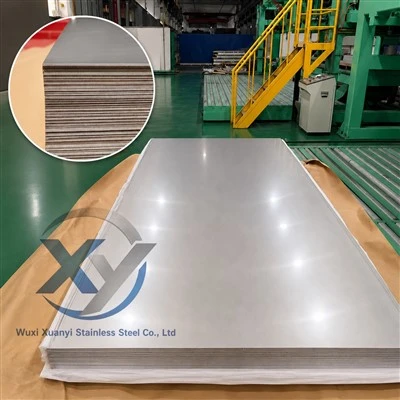
First, let’s talk about the biggest enemy of carbon steel: moisture. Not just the puddle on the warehouse floor, but the invisible humidity in the air, condensation from temperature swings, even the morning dew that lingers on a bar left outside for a few hours. I learned this the hard way in 2015, when we kept a batch of 10-foot carbon steel bars in an unenclosed side yard during a cold snap followed by a warm rain. By the time we moved them inside two weeks later, the bars had developed a uniform layer of surface rust—minor, enough to require extra sanding before the customer could use them, but enough to delay their order and make us look careless. That mistake taught me that moisture is the first and non-negotiable factor to control when storing carbon steel bars. Not all moisture is obvious, either. If you live in a place with high humidity, like the Southeast U.S. or coastal areas, even bars inside a regular warehouse can draw moisture out of the air and start rusting if they’re sitting directly on concrete. Concrete is porous, and it holds moisture—even after it looks dry—so it’s not a suitable surface for long-term carbon steel storage. For our warehouse, we use heavy-duty, interlocking plastic pallets that are raised 6 inches off the floor; this creates a gap that lets air circulate under the bars and prevents them from sitting in any pooled moisture that might seep up from the ground. For customers who store smaller batches at job sites, we recommend using wooden pallets (avoid pressure-treated wood, which has chemicals that can react with steel) or even cinder blocks laid on their sides, as long as they lift the bars at least 4 inches off the ground.
Next, you need to group and organize your bars by size, grade, and intended use. This isn’t just about making picking easier—it’s about protecting the bars from damage that can happen when you stack them incorrectly. Carbon steel bars come in different grades, too: from low-carbon bars used for general fabrication to medium and high-carbon bars used for tools, springs, and structural support. Higher-carbon bars are harder and more brittle, so they’re more prone to chipping or cracking if they’re stacked on top of heavier, bulkier bars. At our warehouse, we sort bars into two main sections: our smaller diameter bars (1/4 inch to 2 inches) are stacked vertically in locked metal racks, each slot marked with the grade and length, so they don’t lean against each other or scratch one another. Our longer, heavier bars (8 feet to 20 feet) are stacked horizontally, in layers, with thin wooden spacers between each layer. The spacers keep the bars from touching directly, which prevents scratching, and they also let air flow between layers, so no moisture gets trapped between stacked bars. I’ve seen customers stack 20-foot bars directly on top of each other, with nothing separating them, and by the time they get around to using the bottom bar, the contact point is rusted and pitted—enough to throw off a cut or weaken a finished part. Grouping by length is also a time-saver: if you need a 10-foot bar for a repair project, you don’t have to dig through a pile of 18-foot bars to find what you need, which means you’re less likely to drag the bars around the warehouse and accidentally bump them into other materials, causing dents or scratches.
Then there’s the issue of covering the bars when they’re not in use. This is a step that a lot of people skip, especially if they’re storing bars indoors, but even indoor storage isn’t entirely safe. I’ve had clients call us panicking because their bars developed surface rust after being stored in a garage that leaks a little rain during storms, or in a warehouse near a loading dock where fog rolls in at night. The key is to use the right kind of cover, not just a flimsy tarp that blows away or traps moisture. We use two types of covers in our warehouse: for long-term storage (more than 30 days) of bars that aren’t moving frequently, we use heavy-duty, UV-resistant polyethylene tarps with reinforced edges. These tarps are breathable, which means they let air pass through so condensation doesn’t build up under the tarp—something that happens with plastic sheeting, which is fully airtight. If you use plastic sheeting to cover steel, you’re basically creating a tent for moisture to collect, and that’s worse than not covering it at all. For shorter-term storage (a week or less), we use canvas tarps, which are also breathable and durable enough to stand up to wind and light exposure. For customers storing small batches of bars at job sites, we recommend either covering the bars with a tarp that’s secured at the edges with sandbags or weights, or storing them in a sealed metal container if space allows. One common mistake we see is leaving tarps loose on the ground, where water can pool under the tarp and sit on the bars. Always secure the taut part of the cover, so it doesn’t sag and create pockets that hold water.
Temperature control is another factor that’s often overlooked, especially in seasonal climates. When temperatures swing from cold to warm, condensation forms: if cold bars are brought into a warm, humid space, the moisture in the air will condense on the surface of the bar, just like water droplets on a cold soda can. I learned this when we moved a batch of bars from our unheated back storage shed in January to our main warehouse in March. The bars were still cold from the shed, and the warm, humid spring air hit them, so within 48 hours, a thin layer of condensation had formed, and by the end of the week, they had minor surface rust. Now, we let all bars acclimate to room temperature for 24 hours before moving them into our main warehouse, and we keep our warehouse temperature consistent, between 60 and 75 degrees Fahrenheit, with humidity levels below 50 percent. If you’re storing bars in a space that can’t be temperature-controlled, consider wrapping them in a rust-inhibitive film, which you can buy at most metal supply stores. The film is designed to prevent moisture and oxygen from reacting with the steel, and it works especially well for short-term storage or if you have to keep bars in a space with variable temperature and humidity.
What about when bars are already in use, or being transported to a job site? A lot of damage happens during handling and transport, not just long-term storage. We’ve had customers pick up bars from our warehouse and drive them to a job site, only to find that the bars got scraped or bent during transport. That’s why we always advise customers to use metal racks on their trucks, not just tie bars to the bed of the truck. If you’re stacking bars in a truck bed, place them on wooden pallets, and use straps that don’t touch the surface of the bars—rubber straps or padded straps are best, because they won’t scratch or dent the steel. Also, don’t overstack bars: if a bar is sticking out past the edge of the truck, it’s more likely to bend or get damaged if it hits a low overpass or a sign along the way. For job sites, store bars as close to the construction area as possible, to minimize the time they’re left exposed to the elements. If you have to leave them out, elevate them off the ground, cover them, and check on them every few days to make sure no moisture is trapped under the cover.
Wait, what about different grades of carbon steel? A lot of people treat all carbon steel the same, but high-carbon steel bars (which have a carbon content of 0.6 to 1.0 percent) are much more prone to rust than low-carbon steel (0.05 to 0.3 percent). I remember a client who stored a batch of high-carbon steel knife blanks next to low-carbon steel rebar, and after a month, the knife blanks were almost completely rusted, while the rebar was only slightly discolored. The high-carbon steel has a higher chemical reactivity, so it needs extra protection: we wrap all our high-carbon bars in rust-inhibitive film before storing them long-term, and we add an extra layer of breathable tarp to cover that. If you’re working with high-carbon bars, don’t skip that extra step—even a small amount of surface rust can ruin the finish or the structural integrity of parts made from high-carbon steel.

Another tip: inspect your bars regularly, even when they’re in storage. We do a weekly inspection of all our inventory, pulling a few bars from each rack, checking for surface rust, dents, or warping. If you catch rust early, you can remove it with a wire brush or a light sandblasting, before it deepens and starts to eat away at the steel. Warping is another issue: if bars are stacked too heavily, or stored in a space that’s too hot, they can bend out of shape, which makes them unusable for precision projects. During our weekly inspections, we roll each bar slightly when we pull it out, to make sure it’s straight, and if we find a warped bar, we move it to a separate section and use it for low-stress projects, like fence posts, instead of high-stress applications.
Bar I know a lot of people see storage as a boring, afterthought step in the process of getting carbon steel bars from the supplier to the job. But after 12 years in this business, I can tell you that good storage saves everyone time and money. It prevents delays from having to return or refinish damaged bars, it keeps projects on schedule, and it makes sure the product you get is exactly what you ordered—no surprises when you’re ready to start working. If you’re looking for reliable carbon steel bars, and you want to make sure they’re stored properly before they reach you, or if you have questions about your own storage process, reach out to our team to discuss your needs. We work with everyone from small contractors to large construction firms, and we’re happy to share more tips to help you keep your carbon steel bars in top condition.
References
- ASM International. (2005). Corrosion: Basics, Testing, and Protection. ASM Handbook, Volume 13A.
- National Association of Corrosion Engineers (NACE). (2018). Storage and Handling of Ferrous Metals for Construction. NACE International Standards.
- Steel Market Development Institute. (2020). Best Practices for Steel Bar Storage and Preservation. American Iron and Steel Institute.
- Jones, D. A. (1996). Principles and Prevention of Corrosion (2nd ed.). Prentice Hall.
Wuxi Xuanyi Stainless Steel Co., Ltd.
Wuxi Xuanyi Stainless Steel Co., Ltd. is one of the most professional carbon steel bar manufacturers and suppliers in China. With abundant experience, we warmly welcome you to wholesale bulk durable carbon steel bar made in China here from our factory. If you have any enquiry about cooperation, please feel free to email us.
Address: Room 1207, Building 11, Shengang Metropolis Plaza, No. 299 Fangcheng Avenue, Xinwu District, Wuxi City,China.
E-mail: jscherryxy@163.com
WebSite: https://www.xuanyisteel.com/
