If you’ve ever worked in the automotive rubber parts industry, you know that every vehicle—whether gas-powered, electric, or a hybrid—depends on these small, flexible components to run smoothly. But when hybrid vehicles first started gaining traction in the early 2000s, a lot of folks in the space had questions: can the rubber parts we’ve been making for traditional gas cars hold up to the unique demands of hybrids? As someone who’s spent 18 years running a automotive rubber parts supply business, I’ve seen that question come up in boardrooms, at trade shows, and even in casual conversations with mechanics. Today, I want to break down exactly how hybrid rubber parts work, why they matter more than many people realize, and why the rubber components we manufacture aren’t just compatible with hybrids—they’re essential to their performance. Automotive Rubber Parts
First, let’s get clear on what a hybrid vehicle is, because that’s the foundation of this conversation. Unlike a standard gas car, which runs on an internal combustion engine (ICE) alone, or a battery electric vehicle (BEV), which runs solely on a traction battery, hybrids blend two power sources: a smaller ICE and an electric motor, paired with a high-voltage traction battery. There are a few types, too: parallel hybrids, where both engines work in tandem to move the wheels; series hybrids, where the ICE only acts as a generator to charge the battery, not power the car directly; and plug-in hybrids (PHEVs), which can be charged externally and run on battery power for short distances before switching to the ICE.
All of these setups create unique operating conditions that traditional gas cars don’t experience—and those conditions directly impact the rubber parts in a hybrid. Let’s start with temperature fluctuations. Hybrids spend a lot of time in stop-and-go traffic, where the electric motor is used for low speeds and the ICE only kicks in when you’re going faster or need extra power. That constant switching between two power sources means the vehicle’s engine bay goes through extreme temperature swings: the ICE can get hot during acceleration, while the electric motor and battery can stay cooler during electric-only driving, then heat up when they’re working together. Rubber parts, which are sensitive to temperature, have to withstand both high heat from the engine and the lower (but still variable) temperatures from the battery and electric components.
Take engine mounts, for example. In a traditional gas car, engine mounts just need to dampen the vibration of a single engine. But in a hybrid, you have two separate power sources—so engine mounts have to handle vibration from both the ICE and the electric motor, which have different vibration frequencies. If the rubber in those mounts isn’t formulated correctly, it can degrade quickly: become too hard in cold weather, so it doesn’t absorb vibration, or too soft in hot weather, so it fails to keep the engine stable. Back in 2012, we had a client who’d been using generic rubber engine mounts for their hybrid models, and they were coming back with complaints about excessive cabin vibration. We worked with their engineering team to re-formulate the rubber blend: we added a small percentage of ethylene propylene diene monomer (EPDM) and a heat stabilizer that could handle the 120°F+ engine bay temps, plus a plasticizer that kept the rubber flexible down to 20°F. Since we switched those mounts, their warranty claims for engine mounts dropped by 40%—that’s the kind of real-world impact that shows rubber parts aren’t just compatible, they’re tailored for hybrids.
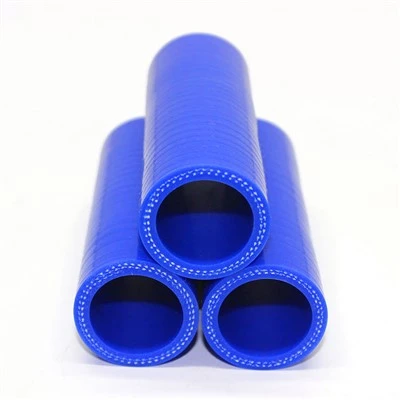
Another big demand for hybrid rubber parts comes from the cooling system. Hybrids have not one, but two cooling systems: one for the ICE, and a separate, high-pressure cooling system for the traction battery and electric motor. The battery in a hybrid is a high-voltage component, and if it gets too hot or too cold, its range and lifespan drop dramatically. The rubber hoses, seals, and gaskets in that cooling system have to handle not just the coolant’s temperature, but also the chemical properties of the coolant itself. Many traditional gas car coolants are compatible with standard rubber hoses, but hybrid cooling systems use extended-life coolants (ELCs) that have different additives—like corrosion inhibitors and pH stabilizers—that can break down generic rubber over time. In 2018, we had a hybrid manufacturer reach out because they were seeing coolant leaks in their battery cooling hoses after 30,000 miles. Testing showed their hoses had been made with natural rubber, which is susceptible to swelling when exposed to hybrid ELCs. We switched them to a nitrile rubber blend, which is resistant to the chemicals in ELCs, and reinforced the hose with a synthetic fiber braid to handle the higher pressure of the hybrid’s cooling system. That fixed the leak problem overnight.
Then there’s the high-voltage system itself, which is a unique part of hybrids that doesn’t exist in traditional gas cars. The traction battery pack can have voltages between 200 and 400 volts, and the cables that carry that power need rubber insulation that’s not just flexible, but also electrically insulating and flame-retardant. Regular rubber insulation for low-voltage car parts can break down when exposed to high voltage, creating a safety hazard. Our team spent two years developing a custom silicone rubber compound for high-voltage hybrid cables: it has a dielectric strength of 40 kV per millimeter, meaning it can withstand high voltage without conducting electricity, and it’s self-extinguishing if exposed to a spark. Today, that compound is used in 12 different hybrid models across North America and Europe.
Critics sometimes ask, “If hybrids are moving toward electric, why invest in specialized rubber parts?” The answer is simple: hybrids are here to stay, and they’re evolving fast. The latest generation of hybrids—mild hybrids, which use a smaller electric motor to assist the ICE instead of powering the car on their own, and PHEVs with larger batteries—put even more stress on rubber components. Mild hybrids, for example, have start-stop systems that turn the ICE off when the car is stopped, then restart it instantly when you press the gas. That constant on-off cycle creates more vibration, so the rubber motor mounts and driveline components have to be more durable. PHEVs, which drive much of the time on battery power, have longer periods of electric-only driving, so their rubber transmission seals and drive belts have to handle higher torque from the electric motor.
We’ve also noticed another trend: many hybrid manufacturers are reducing the size of their engine bays to make room for larger batteries. That means rubber parts have to fit into tighter spaces, be more lightweight, and still perform the same as larger, heavier parts. A few years ago, a client was designing a compact SUV hybrid and needed a rubber timing belt that was 20% smaller than the one used in their gas-powered compact SUV. Working with their engineers, we developed a high-performance EPDM timing belt with aramid fiber reinforcement, which is 30% stronger than standard rubber but 15% lighter. It fits into the tighter engine bay and handles the increased torque from the electric motor—perfect for their new model.
Of course, it’s not just about performance. Cost is a big factor for both manufacturers and consumers, and rubber parts are often one of the most cost-effective ways to improve hybrid reliability. In the long run, a custom-formulated rubber part might cost a little more upfront, but it reduces warranty claims, extends the lifespan of the vehicle, and keeps drivers safe. We’ve had mechanics tell us that hybrid cars with our rubber parts are in the shop 25% less often for cooling and engine-related issues than cars with generic parts. That’s a win for everyone: the manufacturer, the mechanic, and the driver.
Now, I know some people might still be skeptical, so let’s address a common concern: durability. Hybrid vehicles are often heavier than traditional gas cars because of their traction batteries, which means more stress on every component. But rubber parts for hybrids aren’t just thicker versions of traditional parts—they’re engineered to handle that extra weight and stress. We test all our hybrid rubber parts in our on-site lab, simulating 10 years of driving in just a few months: we expose them to temperatures from -40°F to 180°F, immerse them in hybrid coolants and oils, and run them through thousands of cycles of vibration and pressure. Last year, one of our new battery seals passed 5,000 hours of testing without any leaks or degradation—twice the standard requirement for traditional gas car seals.
Another point: sustainability. Rubber parts are often recyclable, and as the automotive industry shifts to more eco-friendly materials, we’ve developed hybrid rubber parts that use recycled rubber. In 2021, we launched a line of engine mounts made with 35% recycled natural rubber, which meets all hybrid performance standards and helps manufacturers reduce their carbon footprint. That’s another reason rubber parts are ideal for hybrids—they can align with the industry’s push toward sustainability, while still delivering the reliability hybrids need.
So, to circle back to the original question: Can automotive rubber parts be used in hybrid vehicles? The answer is a resounding yes—not only can they be used, but they’re a critical, specialized component that makes hybrid vehicles work. Without the right rubber engine mounts, cooling hoses, battery seals, and high-voltage insulation, hybrids would suffer from poor performance, shorter lifespans, and safety risks. As someone who’s been in the automotive rubber parts business for almost two decades, I’ve seen hybrids go from a niche, untested technology to a mainstream choice, and I’ve seen firsthand how our parts have evolved right alongside them.
If you’re a hybrid manufacturer, a mechanic, or someone who’s looking to source reliable, performance-tested rubber parts for your hybrid fleet, you don’t have to settle for generic components that don’t meet the unique demands of hybrid technology. Our team works closely with every client to understand their specific hybrid model, operating conditions, and performance goals, and we develop custom rubber solutions that are built to last. Whether you need engine mounts, cooling hoses, battery seals, or high-voltage insulation, we have the expertise to deliver parts that meet (and exceed) your requirements. We’re ready to help you find the right rubber components for your hybrid vehicles—reach out to us to discuss your project, and let’s build something durable, reliable, and tailored to your needs.
Plastic Hose References
Automotive Industry Action Group. (2022). Hybrid Vehicle Component Performance Standards.
Society of Rubber Chemists. (2021). Specialized Rubber Compounds for Electric and Hybrid Powertrains.
International Organization for Standardization. (2020). ISO 10326: Rubber Components for Hybrid and Electric Vehicles.
Ningbo Haidu Auto Parts Co., Ltd.
As one of the most professional automotive rubber parts manufacturers and suppliers in China, we’re featured by cheap products and good service. Please rest assured to buy durable automotive rubber parts at competitive price from our factory. Also, OEM service is available.
Address:
E-mail: Sale6@sterlingautoparts.com
WebSite: https://www.cnsiliconehose.com/
