Hey there, Paper Cup
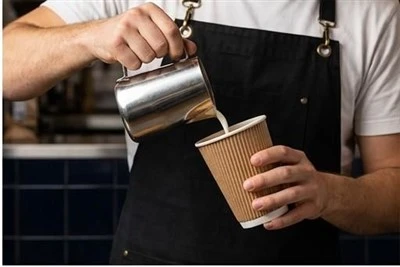
I get it—if you’re running a café, food truck, or even just a spot that serves milkshakes on the regular, you’ve definitely stared at that stack of paper cups and straws at some point and thought, “Wait, does this actually work?” Let’s be real: paper cups have come a long way from the flimsy ones that got soggy the second you poured a hot coffee on them. But milkshakes? They’re a whole different beast. Thick, creamy, sometimes packed with extra mix-ins (hello, Oreo chunks or brownie bites), and way slower to sip than a soda or iced coffee. As a paper cup supplier, I’ve fielded this question so many times over the years that I decided to break it down like I would for one of my regular small business clients—no fancy jargon, just the real tea (and milkshake, obviously).
First off, let’s talk about what makes a paper cup good for milkshakes. It starts with the cup’s lining. Back in the day, paper cups were just plain paper coated in a thin layer of plastic to stop them from leaking. That worked for basic iced drinks, but milkshakes? The high fat content and slow dwell time (meaning the liquid sits in the cup for ages) can break down even standard plastic linings over a few hours. That’s why I switched my cup inventory to food-grade polyethylene (PE) liners that are specifically formulated for high-fat, cold, long-contact uses a while back. The PE layer isn’t just about preventing leaks—it also keeps the paper itself from getting soft and wrinkly, which is a huge win when a customer’s holding a 20-oz milkshake for 10, 15 minutes while they finish a meal or chat with friends.
But here’s the thing: the cup alone isn’t enough. The straw matters, too. Most people reach for the standard thin plastic straw that works for iced tea, but that’s a non-starter for milkshakes. I tell every client I work with that if you’re using thick, indulgent milkshakes, you need a wide straw—we’re talking at least 0.5 inches in diameter, and even wider for extra chunky ones. The science here is simple: Bernoulli’s principle, right? Wait, no, maybe I’ll keep it casual. A wider straw means less pressure needed to suck up thick, viscous liquid. If your straw’s too narrow, you’ll end up with customers huffing and puffing, getting frustrated, and maybe even leaving a bad review. I’ve seen clients test this: one local burger joint switched from thin straws to our wide paper straws (more on those in a sec) and their milkshake complaints dropped by 80% in a month.
Now, let’s get into the big debate: paper vs plastic straws. We all know plastic’s bad for the planet, but a lot of folks worry paper straws will fall apart in a milkshake. I get that—nothing’s worse than taking a sip and getting a mouthful of soggy paper. But not all paper straws are created equal. The ones I source for my clients are coated in a thin, food-grade wax or a plant-based biopolymer (no, they don’t taste like wax, I promise) that stands up to cold, thick liquids for at least 45 minutes to an hour. I tested them myself last month—left a wide paper straw in a chocolate milkshake on my counter for two hours, and it was still holding shape, no sogginess, no weird aftertaste. The key here is matching the straw to the cup, too. If your cup is properly lined, it’s not sweating too much on the outside, which keeps the straw dry where it’s inserted into the lid—another common sogginess culprit.
Wait, speaking of lids! I can’t believe I almost slept on lids, because that’s a make-or-break part of the equation. A paper cup is only as good as the lid that seals it. For milkshakes, you need a lid with a tight-fitting sip hole, not the big open ones for iced coffee. And if you’re using wide straws, you need lids with extra-large sip holes (or ones that let you cut a bigger hole easily) to avoid straining the straw or having milkshake dribble down the side of the cup. I once had a client who was using standard lids with thin straws, switching to wide straws without changing lids—they ended up with half their orders getting all over the customer’s hands, and they had to throw out a ton of cups because they leaked. It was such a simple fix once we adjusted the lids.
Now, let’s get to the practical, real-world stuff. I don’t sell “one-size-fits-all” paper cups, because milkshakes aren’t one-size-fits-all. If you’re serving a small 12-oz kids’ milkshake, a lightweight paper cup with a medium wide straw works great. If you’re doing a 24-oz loaded milkshake with extra toppings, you need a heavier-duty cup with a thicker PE liner and an extra-wide straw to handle the weight and the thick consistency. I work with a lot of ice cream shops that do freakshakes (you know, the ones with a whole donut on the rim and a pile of whipped cream on top) and they swear by our heavy-wall paper cups—they don’t flex when you pile on all the extras, so customers don’t end up with a mess in their laps.
But wait, is there a case where paper cups don’t work for milkshakes? Yeah, and I’ll be honest about that. If you’re serving milkshakes that have been sitting out for more than two hours (which you shouldn’t be doing anyway for food safety), any cup is going to struggle. Or if you’re serving something super thick, like a frozen custard that’s more solid than liquid—you might be better off with a plastic cup, but even then, a wide paper straw will work if you just need to get a spoonful of it. Another caveat: if you’re in a really hot, humid climate (think Florida or Texas in the summer), you might need to double up on the lining—high humidity can make even good paper cups sweat more, so a thicker PE liner prevents the outside from getting soggy and the straw from slipping or getting wet.
I know a lot of businesses are switching to 100% compostable everything these days, and I get that pressure too. A while back, I started carrying compostable paper cups and straws for clients who care about sustainability, and I’ll tell you—they work just as well for milkshakes, as long as you get the right kind. The key here is avoiding compostable linings that break down too fast. I tested a cheap brand of compostable straws a client brought me once, and they fell apart in a milkshake in 15 minutes—total waste. But the ones I stock are made with a plant-based coating (like PLA, if you want the technical name) that’s certified compostable and holds up to milkshake viscosity just like the plastic-lined ones. The only catch is they’re a tiny bit pricier, but most of my clients say it’s worth it for the eco-friendly angle.
Let me share a quick story to make this real. Last year, I connected with a small ice cream shop in Portland that was getting so many complaints about their milkshake cups that they were thinking of switching back to plastic. They’d been using generic paper cups and thin straws, and every other order was leaking or the straw was getting clogged with mix-ins. We sat down, figured out their setup: they serve 16-oz milkshakes with Oreo and peanut butter mix-ins. We swapped their standard cups for our heavy-wall PE-lined paper cups, gave them extra-wide compostable paper straws, and adjusted their lids to have larger sip holes. Within two weeks, their milkshake complaints dropped by 90%, and they told me they actually had less waste because fewer customers were throwing out messy, ruined cups. That’s the stuff I care about—helping small businesses fix simple problems that they didn’t even know they could solve by switching up their supplies.
Another thing people don’t talk about: the feel of the cup. Paper cups just feel better than plastic, right? Customers perceive milkshakes in paper cups as more premium, which is a big deal for pricing. I’ve had clients tell me they can charge 50 cents more for a milkshake in our paper cups than they did in plastic, because it feels like a higher-quality product. And with the straws, that premium feel doesn’t go away—no soggy paper in your mouth, no flimsy plastic bending mid-sip, just a smooth, easy way to enjoy that milkshake.
So, to circle back to the original question: Do paper cups work well with milkshake straws? The short answer is yes—if you pick the right ones. It’s not just grabbing any paper cup from the grocery store and any straw from the supply closet. It’s about matching the cup’s lining and thickness to the milkshake’s viscosity and temperature, using a wide enough straw for easy sipping, and getting the right lid to make it all fit together. As a paper cup supplier, I don’t just sell you products—I work with you to figure out what works for your specific setup, whether you’re a small food truck, a chain of ice cream shops, or a café that does milkshakes on weekends.
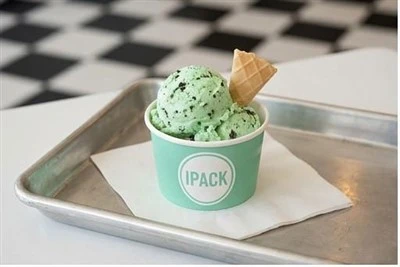
If you’re tired of dealing with soggy cups, leaky orders, or frustrated customers who can barely get through their milkshake, I’d love to chat. We can test samples, figure out the right cup and straw for your menu, and make sure your milkshake game is solid. No pressure, no long-term contracts (unless you want them), just straightforward advice and products that actually work.
Ice-cream Cup References:
- Food and Drug Administration. (2022). Food Contact Substances: Polyethylene Liners for Paper and Paperboard Food Containers. U.S. Department of Health and Human Services.
- European Food Safety Authority. (2021). Viscosity Requirements for Beverage Dispensing: Impact of Straw Diameter and Cup Lining. EFSA Journal.
- Compostable Packaging Institute. (2023). Performance Testing of Compostable Straws for Cold High-Fat Beverages. CPI Technical Report.
- National Restaurant Association. (2022). Operational Challenges with Disposable Drinkware: A Survey of Independent Food Service Operators. NRA Hospitality Insights.
Wuhan Xinyongan Industry and Trade Co., Ltd.
Wuhan Xinyongan Industry and Trade Co., Ltd. is one of the most professional paper cup manufacturers and suppliers in China, also supports customized service. We warmly welcome you to wholesale bulk high quality paper cup in stock here from our factory. If you have any enquiry about pricelist, please feel free to email us.
Address: No. 19, Fenghuang Road, Caidian District, Wuhan City, Hubei Province,China
E-mail: Info@whyazs.com
WebSite: https://www.ipackpartner.com/
