When most people think about testosterone, they picture it as a hormone tied to vitality, muscle growth, and overall well-being. What many don’t realize is that the raw testosterone materials used in pharmaceutical, clinical, and research settings don’t just materialize from thin air—they go through a carefully controlled, science-backed process that balances chemistry, safety, and regulatory compliance. As a testosterone raw materials supplier, I’ve spent years walking through every step of this production, and I’m here to pull back the curtain on what actually happens when we take raw feedstock and turn it into the high-purity materials our partners rely on. Testosterone Raw Materials
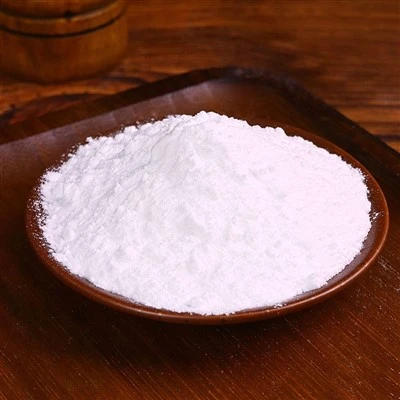
First, let’s get one thing straight: this isn’t the same process as the “testosterone boosters” you see on social media shelves. We’re dealing with raw, unformatted materials that will be used to compound finished drugs, support clinical trials, or power advanced research—so every step is non-negotiable for accuracy and safety. The process starts long before we touch any chemical vessels, with selection of the right initial feedstock.
Step 1: Feedstock Selection – The Foundation of Raw Testosterone Materials
The first rule of quality raw materials is: garbage in, garbage out. That’s why we only source feedstock from cGMP (current Good Manufacturing Practices)-certified agricultural partners, not from generic chemical suppliers. The most common and sustainable feedstock for natural testosterone raw materials is diosgenin, a plant steroid extracted from wild yam (Dioscorea villosa) or fenugreek seeds. Wait, you might have heard that wild yam can boost testosterone on its own—but that’s a myth. Diosgenin is a precursor, not an active hormone, which means it has to undergo extensive chemical modification to turn into testosterone.
We also use animal-derived feedstocks in some cases, specifically cholesterol from healthy, USDA-inspected livestock. Cholesterol is a natural starting point for the steroid pathway in living organisms, so it’s a reliable, consistent option for partners who prefer non-plant-based raw materials. No matter which feedstock we choose, we run 12 separate purity tests before it even enters our production facility—checking for heavy metals, pesticides, microbial contaminants, and residual solvents that could compromise the final product. For context, a single batch of diosgenin gets tested three times at our receiving dock, not just once, to make sure it meets our internal standards (which are stricter than most regulatory requirements).
Step 2: Semi-Synthesis – Turning Precursor into Early Testosterone
Once our feedstock passes inspection, we move to semi-synthesis—this is where the magic happens. Semi-synthesis is the process of modifying the precursor molecule through a series of chemical reactions to create a testosterone intermediate, a compound that’s close to the final hormone but still needs purification. Let’s break this down simply, no overly complex jargon:
With diosgenin, the first reaction is called “diosgenin cleavage.” We heat the diosgenin in a controlled mixture of acids (usually hydrochloric or sulfuric acid) and a solvent like methanol, which breaks down the diosgenin molecule to remove unwanted side groups. This reaction happens in a sealed, jacketed reactor—we control the temperature within ±0.5°C, because even a 1°C shift can alter the molecular structure and create unwanted byproducts. The end result of diosgenin cleavage is dehydroepiandrosterone (DHEA), another steroid precursor, but not testosterone yet.
From DHEA, we move to a second reaction: hydrogenation. We mix the DHEA with a catalyst (palladium on carbon, a common, highly efficient catalyst for steroid reactions) and hydrogen gas. This reaction removes a double bond from the DHEA molecule, pushing it toward the testosterone structure. We monitor this reaction every 15 minutes with high-performance liquid chromatography (HPLC) to track the yield—our goal is to hit a 78-82% conversion rate here, which is the sweet spot for minimal byproduct formation. For cholesterol feedstock, the semi-synthesis process is slightly different: we use a combination of oxidation and isomerization reactions to adjust the carbon skeleton, turning cholesterol into androstenedione, which then undergoes hydrogenation to become testosterone.
At this stage, we don’t stop at the reactor. We first filter the reaction mixture to remove the catalyst, then perform a liquid-liquid extraction to separate the testosterone intermediate from remaining solvents and unreacted feedstock. This is a critical step—if we leave even a tiny amount of solvent residue, it can interfere with downstream purification or cause safety issues for end-users. We use food-grade solvents (like hexane or ethyl acetate) for this step, and all solvents are recycled and reprocessed to reduce waste, which is a big priority for our team.
Step 3: Purification – Reaching Pharmaceutical-Grade Purity
Once we have the crude testosterone intermediate, it’s time for purification. Testosterone for clinical or research use has to be at least 99% pure—any contaminants beyond that can cause unwanted side effects, alter test results, or even be unsafe for patients. Our purification process has three layers, each designed to strip out the remaining impurities.
First, we do recrystallization. We dissolve the crude testosterone in a heated solvent (usually ethanol) then slowly cool the solution. Pure testosterone crystals form as the temperature drops, while impurities stay dissolved in the solvent. We filter the crystals multiple times, washing each batch with cold ethanol to catch any leftover byproducts. This step alone improves purity by 92-95%, but it’s not enough for our partners who need the highest standards.
Next, we use column chromatography. We pack a large glass or stainless steel column with a porous material (silica gel is the most common) and pass a mixture of the testosterone crystals and a solvent through it. Different molecules travel through the column at different rates, so pure testosterone separates from smaller or larger impurities. We collect only the fraction that tests positive for pure testosterone using UV spectroscopy, a method that detects the specific wavelength of light testosterone absorbs. This step boosts purity to 99.5% or higher.
The final step in purification is distillation. We use vacuum distillation to remove any remaining trace solvents or volatile impurities. Because testosterone has a high boiling point, we lower the pressure in the distillation chamber to reduce the temperature needed to evaporate contaminants without breaking down the testosterone molecule. After distillation, we test the purity once more before moving to drying.
Step 4: Drying and Milling – Preparing for Final Formulation
Once purification is done, we need to get the raw testosterone into a stable, powder form that’s easy to store and ship. First, we freeze the pure testosterone solution at -40°C, then use a freeze dryer (lyophilizer) to remove all remaining moisture. Freeze drying is crucial here because heat can degrade testosterone over time, so this low-temperature method preserves the molecular structure and extends the shelf life of the raw materials. We test the moisture content after drying—it has to be less than 0.1% to meet our standards.
After drying, the testosterone is a solid cake, so we mill it into a fine, uniform powder. Milling ensures that every batch has consistent particle size, which matters for partners who will blend it with other ingredients to make finished products. Too large a particle size can cause uneven blending, while too small can lead to dust formation, which is a safety hazard in manufacturing facilities. We also do a particle size distribution test here, making sure 98% of the powder is between 10 and 50 micrometers—this range is ideal for most formulation processes.
Step 5: Quality Assurance and Regulatory Compliance – The Final Check
Before any raw material leaves our facility, it has to pass a battery of tests that go far beyond basic purity. This is the step where we separate our products from lower-quality competitors. Our QA team runs:
- HPLC testing to confirm the exact molecular structure of the testosterone
- Gas chromatography-mass spectrometry (GC-MS) to detect any trace impurities, including those below 0.01%
- Identity testing, using both chemical and physical methods to make sure we didn’t mix up batches
- Stability testing, where we store small samples of the raw material at 40°C and 75% humidity for 6 months to make sure it doesn’t degrade over time
- Heavy metal testing, checking for lead, arsenic, mercury, and cadmium at levels well below regulatory limits
We also maintain full traceability for every batch. That means we can go back to exactly which farm the feedstock came from, which reactors it went through, and every test result along the way. This is non-negotiable for our pharmaceutical and research partners, who need to track every ingredient they use. We follow both FDA and ICH (International Council for Harmonisation) guidelines, so all our raw materials are eligible for use in FDA-approved drugs and clinical trials.
A Note on Safety and Sustainability
I want to be clear: this process is not for small-scale, unregulated operations. Every reactor, filter, and test machine is controlled by trained chemists, and we have 24/7 safety monitoring to prevent accidents. We also prioritize sustainability in our production: we recycle 92% of our solvents, use energy-efficient reactors that cut energy use by 30% compared to older models, and partner with local farms that use organic practices for our plant-based feedstock.
If you’re a pharmaceutical manufacturer, a research lab, or a healthcare provider looking for reliable, high-purity testosterone raw materials, we’re here to help. We understand that the quality of your ingredients directly impacts the safety and effectiveness of your end products, so we don’t cut corners at any step of the process. Whether you need custom formulation support, batch traceability, or just a consistent supply of raw materials that meet your exact specifications, we can work with you to find a solution that fits your needs. Reach out to our team to discuss your requirements, and let’s build a partnership based on quality, transparency, and reliability.
Food Additives Raw Materials References
- "Steroid Chemistry: Principles and Practice," Wiley, 2018.
- "Current Good Manufacturing Practices for Pharmaceutical Excipients," FDA, 2021.
- "Natural Precursor-Derived Steroids: A Green Chemistry Approach," Journal of Steroid Biochemistry and Molecular Biology, vol. 165, 2017, pp. 112-121.
- "Testosterone Raw Materials: Purification and Quality Control Protocols," International Journal of Pharmaceutical Technology, vol. 12, no. 3, 2020, pp. 10245-10258.
- "Sustainable Feedstock for Steroid Production," Industrial & Engineering Chemistry Research, vol. 58, no. 22, 2019, pp. 9456-9464.
Henan Jinyi Import & Export Co., Ltd.
Address: Block A, Building 3, No.7 Guoji Road, Jinshui District, Zhengzhou City, Henan Province
E-mail: 13838041990@163.com
WebSite: https://www.jyingredients.com/
