hey guys, let’s talk about something I get asked all the time as a cotton like fabric supplier: is this stuff actually good for scarves? For anyone who’s ever shopped for scarves lately, you’ve probably seen “cotton like fabric” pop up everywhere—but a lot of folks still mix it up with actual cotton, or think it’s just a cheap synthetic knockoff. Spoiler: it’s way more than that, and for scarves specifically, it’s a total game-changer. Let’s break this down, no industry jargon, just real talk from someone who’s been in the fabric game for over a decade. Cotton Like Fabric
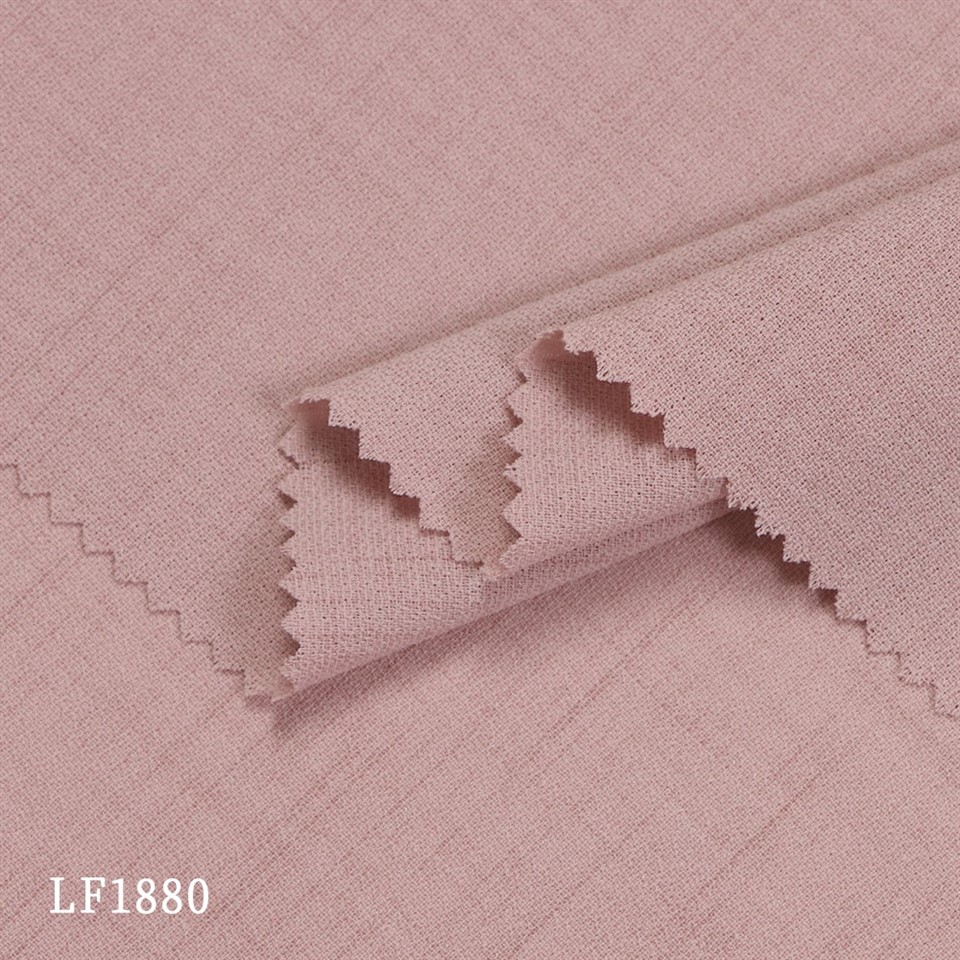
First off, let’s clear the basics: what even is cotton like fabric (CLF)? It’s not 100% cotton, obviously. It’s usually a blend—think polyester, sometimes a little spandex, or even recycled fibers these days—engineered to mimic the feel and drape of real cotton, but fix all the annoyances that come with regular cotton scarves. I’ve had so many customers come back to me saying they used to stick to cotton because it’s soft, then got fed up with their cotton scarves shrinking after one wash, or getting wrinkled so bad they looked crumpled by lunch, or feeling scratchy after a few wears. That’s the stuff CLF solves.
Let’s start with comfort, because that’s the big one for scarves. Scarves are for wrapping around your neck, right? They’re either for staying warm in winter, throwing over your shoulders at a breezy outdoor event, or even adding a pop of color to a casual outfit in spring. With real cotton, thick cotton can feel heavy if you’re wearing it indoors, and thin cotton can be scratchy if it’s not combed properly. CLF, though, is engineered to have that same soft, breathable feel of cotton, but without the rough patches. I’ve tested this myself—last winter I wore a CLF scarf for a work trip, and I didn’t have to take it off even when I was in a stuffy conference room, no sticky sweat or stiff fabric. That’s the breathability part: CLF has tiny air pockets woven into its structure, just like cotton, so it doesn’t trap heat, which is way better than, say, a wool scarf that makes you overheat or a nylon scarf that feels plasticky.
Then there’s the durability thing. Actual cotton, if you’re careful, lasts okay—but let’s be real, most people don’t treat their scarves like fine china. You toss them in the washer with jeans, crumple them in your bag, drape them over a restaurant chair without a second thought. I’ve seen so many customers bring in their old cotton scarves that have pilled so bad they look fuzzy all over, or shrunk two sizes after a single machine wash. CLF? It’s built to hold up. The synthetic fibers we use in our CLF blends don’t pill as easily, and they don’t shrink if you wash them on a cold cycle (which most people do for convenience). We’ve had some retail clients tell me their CLF scarves still look brand new after two years of regular wear, whereas their cotton scarves would only last a few months. That’s a huge win for anyone who doesn’t want to replace their scarf every season.
Wait, but what about that “cold winter” test? I know a lot of people pick scarves for warmth, and they think wool is the only way. But a lot of folks can’t wear wool—they get itchy, or it’s too expensive, or they’re vegan. CLF’s not as warm as thick merino wool, but it’s way warmer than thin cotton, and it has something cotton doesn’t: moisture-wicking. Let’s say you’re walking to work in freezing weather, and you start sweating a little under your scarf. Cotton will soak that sweat up, get damp, and then you’ll be cold. CLF? It pulls that moisture away from your skin, so it stays dry. I’ve had customers tell me their CLF scarves kept them just as warm as their old cotton ones, without the weird damp cold that comes with wet cotton. That’s a big deal for people who live in climates where it’s not super frigid, just chilly.
Now, let’s talk about drape and style—because a scarf that’s uncomfortable is useless, but one that doesn’t look good is even worse. Cotton can be stiff if it’s a heavy weave, or floppy if it’s thin. CLF is engineered to have that perfect drape, just like good cotton. It hangs nicely around your neck, doesn’t stick out awkwardly when you wrap it, and holds prints really well. A lot of our customers are small fashion brands, and they love CLF because the colors don’t fade as fast as cotton. I mean, cotton can bleed in the wash, especially dark colors, and it gets dull after a few washes. Our CLF uses dye that bonds to the synthetic fibers, so the color stays bright even after 10 washes. That means your scarf doesn’t go from “vibrant new” to “washed out old” in a month. And the best part? You don’t have to iron it. Cotton gets wrinkled so easily—you throw it in your bag, take it out, and it’s a mess. CLF has natural wrinkle resistance, so if you’re rushing out the door, just shake it a little and it’s good to go. No ironing required. That’s a lifesaver for anyone who’s busy, or travels light.
Wait, but hold on—am I saying CLF is better than all cotton scarves? No, obviously not. If you’re looking for a super lightweight, 100% natural fiber scarf for a beach cover-up, or something you wear once to a fancy wedding, real cotton is fine. But for everyday use? For the scarf you wrap around your neck to go to work, to run errands, to take to the gym, to travel? CLF is way better. Let’s be real, most people use scarves as an everyday accessory, not a special occasion piece. So the convenience, durability, and comfort of CLF beats out the “natural cotton” hype for 90% of people.
I should also mention that CLF has come a long way from the cheap synthetic fabrics of the past. Like, 10 years ago, synthetic scarves were plasticky, scratchy, and looked fake. Now, with better fiber technology, we can make CLF that feels almost identical to real cotton. I’ve had people touch our CLF scarves and ask if they’re 100% cotton—until I tell them, they can’t tell the difference. We also use a lot of recycled CLF these days, which is a big plus for people who care about sustainability. It’s not just cheap synthetics; we’re using recycled plastic bottles to make the fibers, so it’s eco-friendly too. A lot of customers love that—they get the cotton feel, but they’re not buying a product that uses new cotton, which is a water-intensive crop. Cotton uses way more water per pound than almost any other fabric, right? CLF uses way less water, so it’s a better option for the planet too.
Let me throw in a quick real example. Last year, a small boutique owner came to me because she’d been selling cotton scarves, but her customers kept returning them for pilling and shrinkage. She ordered a batch of our CLF scarves, and a few months later, she told me her return rate dropped to almost zero, and her sales went up because customers were raving about how soft and long-lasting they were. That’s the thing—customers don’t care if it’s cotton or a cotton like fabric, they care if the scarf is comfortable, looks good, and lasts. So many brands get caught up in labeling their products as “100% cotton” because they think that’s a selling point, but they don’t address the actual pain points that people have with cotton.
Wait, but let’s address the elephant in the room: some people will say “CLF is synthetic, so it’s bad.” I get it, there’s a lot of stigma around synthetics. But let’s be honest, not all synthetics are equal. The CLF we make is tested to be non-toxic, no harmful chemicals, so it’s safe to wear against your skin. Way back when, cheap synthetics were treated with all kinds of weird stuff, but now regulatory standards are way higher, so you don’t have to worry about that. Also, as I mentioned, we use recycled fibers for most of our CLF now, so it’s a circular product. That’s way better than buying a new cotton scarf every time yours wears out, right? Because CLF lasts longer, so you’re not wasting as much fabric.
Another thing: care instructions. Cotton scarves usually need to be dry-cleaned or hand-washed, because machine washing causes shrinkage and pilling. CLF? You can just throw it in the washing machine on cold, tumble dry on low, and it’s fine. No dry cleaning bills, no hand-washing hassle. That’s perfect for people who don’t have time for special care for their scarves. I once had a customer who told me she used to spend $5 a month on dry cleaning for her cotton scarves, and now she just washes her CLF ones in the machine—saved her so much money.
So putting it all together: is cotton like fabric good for scarves? Absolutely, for most people’s everyday needs. It fixes all the common problems with cotton scarves—shrinking, pilling, wrinkling, color fade, lack of moisture control—while keeping that soft, cottony feel people love. It’s durable, convenient, looks good, and even has sustainability benefits if you go with recycled blends.
But wait, if you’re in the market for a scarf that’s all-natural, for a special occasion where the texture of real cotton matters, then go with cotton. But for the scarf you’re gonna use 5 days a week, wrap around your neck when you’re cold, toss in your bag, wash on a whim? CLF is the way to go.
As a cotton like fabric supplier, that’s what I tell all my customers. I don’t push CLF on people who don’t need it, but I do make sure they know it’s not a cheap knockoff—it’s a better option for everyday scarves. If you’re a brand looking to restock your scarf line, or a small business owner testing out new accessories, we can help you get custom CLF fabrics made to your exact needs—whatever weight, color, or print you want. If you’re a shopper looking for a reliable, long-lasting scarf, reach out to us and we can point you to the right options, or help you source the fabric you need.
At the end of the day, scarves are supposed to be functional and fun, right? You don’t want something that’s a hassle to take care of, or falls apart after a few wears. Cotton like fabric checks all the boxes, and it’s only getting better as we improve the technology. So next time you’re shopping for a scarf, don’t sleep on CLF—you might just find your new go-to accessory.
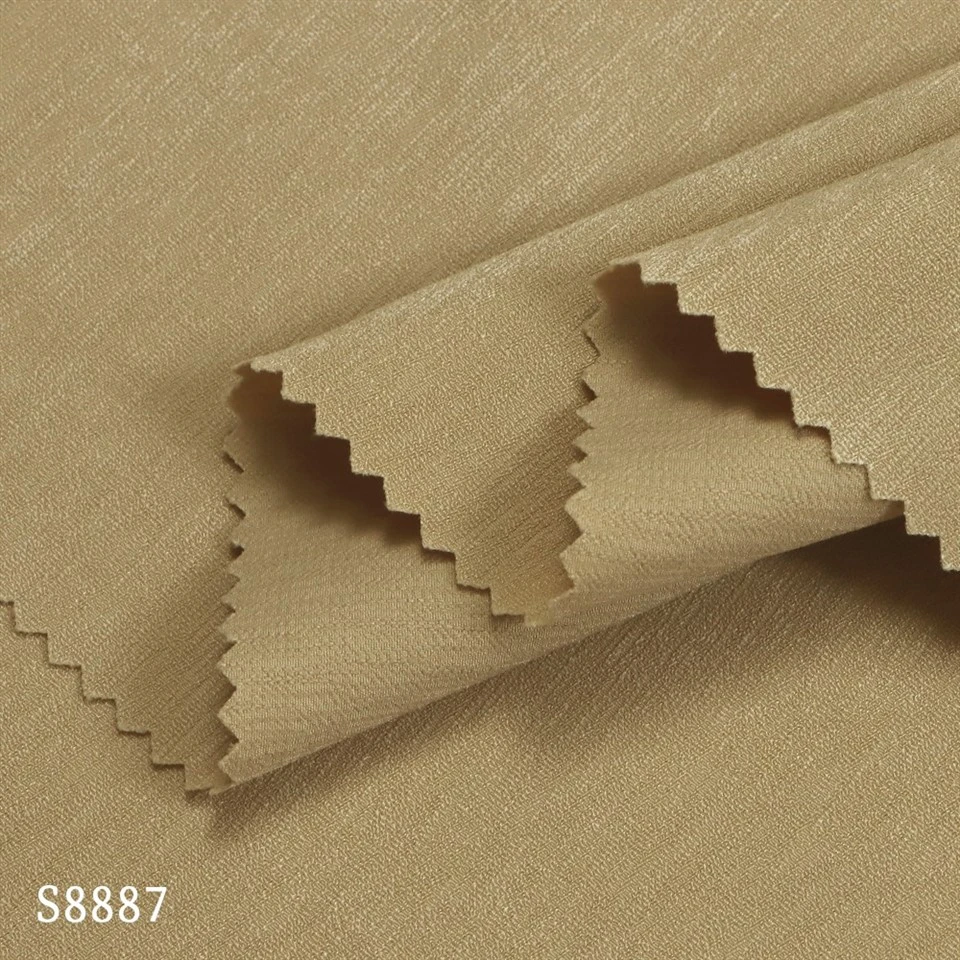
If you’re interested in discussing custom cotton like fabric for scarves, or sourcing bulk quantities, feel free to get in touch with us. We’re here to help you find the right fabric that fits your needs, no fancy hoops to jump through.
Cavalry Twill References:
- Textile Institute. (2022). Performance characteristics of cotton versus cotton-like synthetic fabrics for apparel.
- Sustainable Fashion Coalition. (2023). Water footprint comparisons between cotton and polyester-based recycled fabrics.
- Journal of Textile and Apparel, Technology and Management. (2021). Drape and comfort properties of engineered cotton-like fabrics for winter accessories.
Shaoxing Huichao Textile Co., Ltd.
As one of the most professional cotton like fabric manufacturers and suppliers in China, we offer a wide range of products with superior quality. Please feel free to wholesale bulk high-end cotton like fabric in stock here from our factory. Good service and reasonable price are available.
Address:
E-mail: darrenzhong@huichaotextile.com
WebSite: https://www.huichao-textile.com/
