When I first started working in the ferroalloy supply chain over a decade ago, I quickly learned that the most common question from fabricators and steel manufacturers wasn’t about alloy composition—it was about weldability. Every time a customer called asking for a custom heat of steel, they’d circle back to one concern: will this weld properly? As someone who’s spent thousands of hours in foundries, lab testing facilities, and customer workshops, I can tell you that ferroalloys aren’t just “add-ins” for strength or hardness—they’re the hidden architects of weldability, for better or worse. Ferroalloy

Let’s start with a basic truth: weldability isn’t a single property. It’s a combination of how a steel responds to heating and cooling during welding, how resistant it is to defects like cracks or porosity, and how the weld joint performs structurally after it cools. Ferroalloys—elements like manganese, silicon, chromium, nickel, molybdenum, vanadium, and niobium—are what shape these properties, and their impact is often misunderstood. Too many people think adding more of a desired element makes steel better, but I’ve seen firsthand that the right amount in the right form is everything.
Take manganese, for example. It’s one of the most widely used ferroalloys in our inventory, and for good reason. Manganese’s main job in steel is to act as a desulfurizer—sulfur is a steel’s enemy during welding, because it forms iron sulfide, which has a low melting point. That means when you heat steel for welding, the iron sulfide melts way before the base metal, creating hot cracks along the weld line. I’ve had a customer bring in a batch of high-strength structural steel that kept cracking during pipe welding; we traced the issue to insufficient manganese to tie up the excess sulfur. We adjusted their manganese addition by just 0.2% using our high-purity low-carbon ferro manganese, and their defect rate dropped by 80% within a month. But here’s the catch: too much manganese can make steel prone to a different issue—hardening. High manganese steels that cool too quickly after welding can form brittle microstructures, especially if you don’t preheat the base metal. That’s where our team’s role goes beyond just supplying product; we walk customers through the right additions based on their welding process, not just their end product specs.
Silicon is another ferroalloy that’s critical for weldability, often overlooked because it’s not as flashy as chromium or nickel. Silicon acts as a deoxidizer during steelmaking and welding—when you melt steel, oxygen gets trapped as oxides, which cause porosity in welds. I’ve seen welds that looked perfect on the surface but had tiny pinholes inside, enough to make a pressure vessel fail over time. Adding a controlled amount of silicon (usually via our silicon metal or ferro silicon alloys) ties up that oxygen, making denser, stronger welds. But again, balance is key. Too much silicon increases the viscosity of molten weld metal, making it harder to flow into joint gaps—you end up with incomplete fusion, a defect that’s just as bad as porosity. I once worked with a shipyard that was adding too much silicon to their marine-grade steel, and their welds were failing inspection because the molten metal wouldn’t fill the tight joints in hull plates. We adjusted their silicon content and paired it with a small addition of ferro nickel to improve flow, and they were back to passing first-time inspections.
Now let’s talk about elements that can hurt weldability, even when they’re added for other benefits. Chromium, for instance, is essential for making stainless steel corrosion-resistant, but high chromium contents increase hardenability. That means when you weld a chromium-rich steel, the heat-affected zone (HAZ)—the area just next to the weld that doesn’t melt but gets very hot—cools too quickly and forms hard, brittle martensite. That’s a recipe for cold cracking, where cracks form hours or days after welding, often with no warning. A few years back, a bridge manufacturer called us in panic because their stainless steel bridge beams were developing cracks after welding. We tested their steel and found chromium content was 18%, paired with low carbon. We suggested reducing their chromium addition by 1% and adding a small amount of molybdenum via our ferro molybdenum to improve corrosion resistance without increasing hardenability, and also recommended a post-weld heat treatment to soften the HAZ. The cracks stopped appearing within weeks.
Nickel is a good example of a ferroalloy that mostly improves weldability, but even it has limits. Nickel increases toughness in both base steel and welds, and it helps reduce the brittleness of the HAZ when paired with other elements. But too much nickel can increase the tendency for solidification cracking, especially in high-strength low-alloy (HSLA) steels. I’ve seen a wind turbine manufacturer that was adding 5% nickel to their steel for offshore use, but their welds were cracking along the centerline of the weld bead. We adjusted their nickel downward and added a small amount of niobium—our ferro niobium, which refines the steel’s grain structure. Niobium prevents large grain growth during welding, which reduces cracking, and the right mix of nickel and niobium gave them the low-temperature toughness they needed for offshore, without the weld defects.
Vanadium and niobium, often used in HSLA steels for strength, have a unique impact on weldability. These elements form fine carbides and nitrides that strengthen the base steel, but during welding, those particles dissolve in the HAZ. When the HAZ cools, new particles can form in a way that makes the grain structure coarser, which reduces toughness. Our team works with customers to time the addition of these ferroalloys—adding them later in the steelmaking process, when they dissolve less, so they’re still present for strength but don’t disrupt the weld’s microstructure. We also provide custom blends of ferro vanadium and ferro niobium that are tailored to specific welding processes, like gas metal arc welding (GMAW) or submerged arc welding (SAW), to minimize HAZ issues.
One of the biggest mistakes I see in the industry is treating ferroalloys as a “one-size-fits-all” input. A steel that welds perfectly for automotive sheet metal might be a nightmare for heavy structural pipe welding, and the difference is the ferroalloy makeup. For example, thin-gauge steel used in car bodies needs to have good formability and easy weldability for spot welding—so lower amounts of manganese and silicon, with a small addition of titanium via our ferro titanium to control grain growth. Thick-gauge structural steel for bridges needs higher manganese and molybdenum to prevent cracking, with controlled silicon to avoid porosity. I don’t just sell ferroalloys; I act as a partner in their welding process. Last year, I spent two days at a fabricator’s shop testing different ferroalloy additions on their test plates, running welds and inspecting the HAZ and bead structure, until we landed on a blend that cut their weld defects from 12% to less than 1%.
What’s also important to understand is that the form of the ferroalloy matters just as much as its composition. Low-carbon ferro manganese, for example, is better for welding than high-carbon ferro manganese because it adds less carbon to the steel—too much carbon causes carbon cracking, a common weld defect. Our foundry produces all our ferroalloys with tight control on trace elements, so customers don’t end up with unwanted impurities that can ruin welds. We test every batch in our in-house lab, checking for sulfur, phosphorus, and other elements that can harm weldability, before it leaves our facility.
Looking ahead, as industries move to higher-strength steels, lightweight materials, and more sustainable manufacturing processes, the role of ferroalloys in weldability is only going to get more critical. Electric vehicles need advanced high-strength steels (AHSS) that can be spot welded without cracking, and offshore wind turbines need steel that can withstand thousands of weld joints in harsh marine environments. Our team is working on new ferroalloy blends specifically for these applications, combining elements to balance strength, corrosion resistance, and weldability.
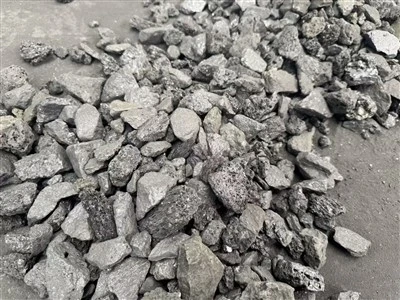
If you’re a steel manufacturer, fabricator, or welding engineer who’s struggled with weld defects, heat-affected zone brittleness, or cracking issues, the solution might not be in your welding technique—it might be in how you’re adding ferroalloys to your steel. We don’t just sell standard products; we work with you to analyze your current process, test different ferroalloy additions, and provide custom solutions that improve both your steel’s properties and its weldability. Our team has decades of experience working with every type of steel and welding process, from automotive spot welding to large-scale heavy equipment fabrication. Whether you’re dealing with porosity, cold cracking, incomplete fusion, or any other weld issue, we can help you adjust your ferroalloy input to get the results you need. Don’t let poor weldability derail your projects—reach out to us to discuss your requirements and find the right ferroalloy blend for your steel and welding process.
High Carbon Silicon References
- Brooks, C. R., & Choudhury, A. (2019). The History of Steel: From the First Iron Age to the 21st Century. ASM International.
- Kou, S. (2003). Welding Processes and Properties. John Wiley & Sons.
- Lippard, S. D., & Nunes, A. C. (2021). Metallurgy for Welders and Fabricators. AWS Publishing.
- Weman, K. (2014). Welding Processes for Structural Applications. Woodhead Publishing.
- The Making, Shaping, and Treating of Steel. (2012). 11th ed. AISE Steel Foundation.
Anyang Baitengxin Metal Co., Ltd.
As one of the most professional ferroalloy manufacturers in China, we have world-leading production equipment and strong manufacturing capabilities. Please feel free to buy high quality ferroalloy for sale here from our factory. Good service and reasonable price are available.
Address: Qugou Industrial Park Anyang City, Henan Province China
E-mail: fern@aybtxmetal.com
WebSite: https://www.aybtx-metal.com/
